Kaci Vohland, MS, RDN, LD
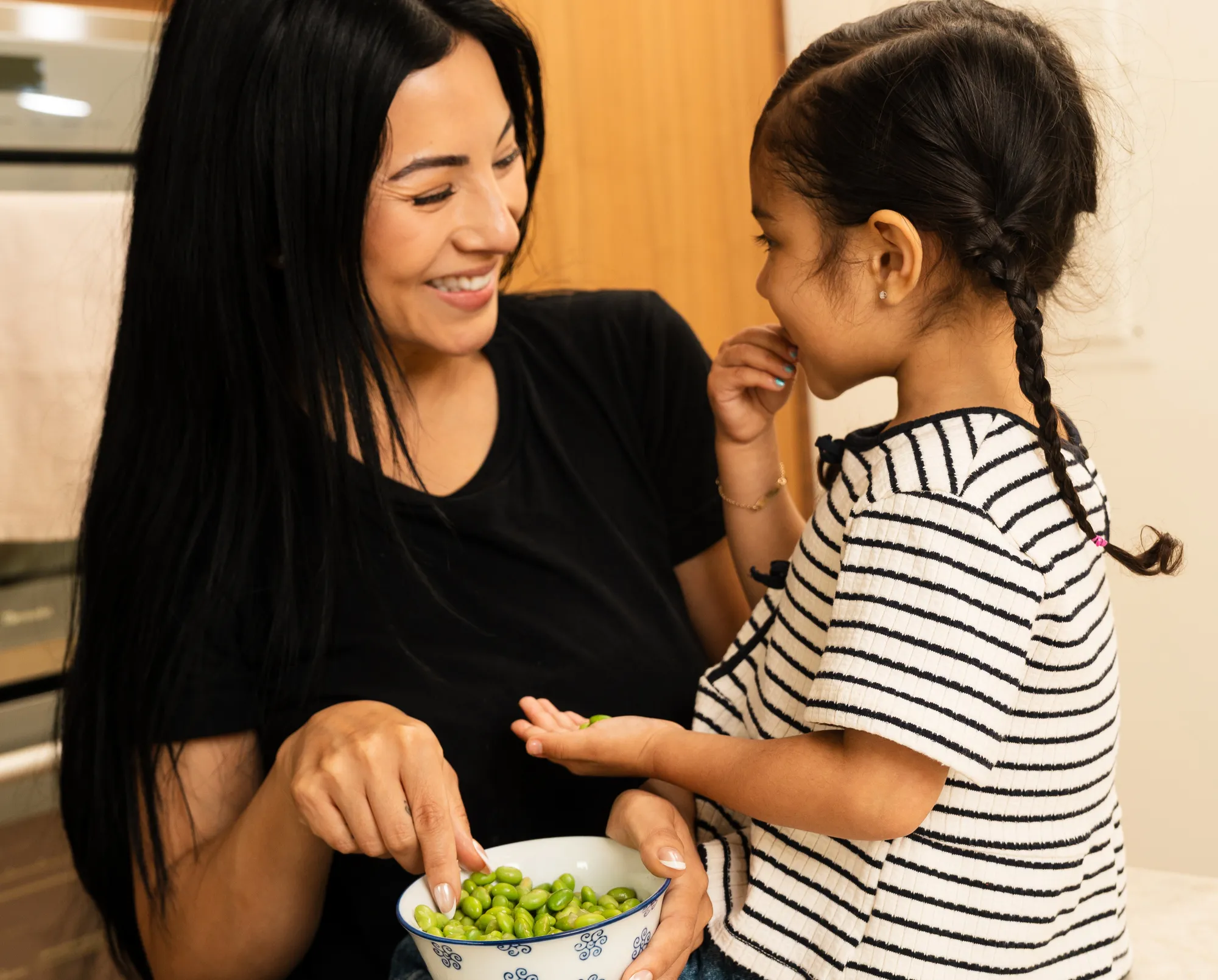
Soy protein-based infant formulas have been used for more than a century and were originally developed for infants who could not tolerate cow’s milk-based formulas. Today, they are also used for infants with galactosemia, lactase deficiencies, and for families who prefer a plant-based dietary pattern (e.g., vegan). Decades of research continues to support the nutritional adequacy and safety of modern soy protein isolate-based infant formulas for healthy-term infants.1 The American Academy of Pediatrics (AAP) has long recognized that soy formulas support normal growth and development while recommending their use for appropriate clinical indications rather than as a routine alternative to cow's milk-based formulas.2 Although the AAP's 2008 clinical report was formally retired in 2025 as part of the Academy's routine document lifecycle, its evidence-based recommendations regarding appropriate use remain consistent with current pediatric practice.2
According to the International Food Information Council’s (IFIC) 2025 Food and Health Survey, registered dietitians and health professionals are among the most trusted sources of nutrition information. Consumers rely on them for guidance about which foods to eat and which to avoid.3
What Do Parents and Health Professionals Think About Soy Infant Formula?
In 2025, a survey of 50 pediatric healthcare providers (HCPs) and 150 parents explored perceptions of soy and its role in child nutrition and development. Although the survey did not specifically assess attitudes toward soy infant formula, it did examine foods containing added soy protein. Key findings from the survey include:4
- Both HCPs and parents agree that cost and child preference are prioritized when making nutritional decisions. Among HCPs surveyed, 70% believed cost and affordability were the primary drivers of parental nutrition choices, followed by taste and child preferences (56%). Parents, however, identified taste and child preferences as their top consideration (51%), with cost and affordability ranking second (40%).
- Parents place greater importance on nutritional value than many HCPs realize. Forty-two percent of parents identified nutritional value as a top factor influencing their food choices, compared to just 22% of HCPs who believed parents prioritized nutrition. Although the survey focused on children ages 5–12 years rather than infants, the findings have important implications for infant feeding discussions. Parents choosing an infant formula often seek reassurance that it will support optimal growth and development. The assumption that convenience or cost outweighs nutritional considerations may limit opportunities to discuss the evidence supporting appropriate formula options, including soy infant formula.
- Both HCPs and parents view soy positively, but perceptions of soy consumption differ. Fifty-eight percent of HCPs and 52% of parents rated soy as a somewhat or very healthy nutritious choice for children/their child. Additionally, 72% of HCPs reported sometimes, often, or always recommending soy to patients, while 59% of parents said they regularly serve soy-containing foods to their children. Interestingly, 88% of HCPs said soymilk was the soy food parents most commonly provide, whereas the most frequently reported choice among parents (56%) was foods containing added soy protein.
- Hormonal concerns remain the most common questions about soy (e.g., feminization in males and childhood puberty onset in females). The concerns HCPs most frequently hear from parents involve perceived hormonal effects in males (e.g., feminization; 74%) and females (e.g., early puberty; 68%). These questions often extend to soy infant formula because soy contains naturally occurring isoflavones (which are often classified as phytoestrogens or plant estrogens but are not the same as human estrogen). However, decades of clinical research consistently demonstrate that soy infant formula supports normal growth and development, with no evidence of adverse effects on sexual maturation, endocrine function, or reproductive health in healthy-term infants.1-2 After reviewing the available evidence, the AAP concluded that there is no conclusive evidence that dietary soy isoflavones adversely affect human development, reproduction, or endocrine function in infants.2,5
- Parents are receptive to evidence-based guidance on soy. One of the survey’s most encouraging findings was that parents appear more open to discussing soy than many clinicians assume. More than 70% of parents reported feeling comfortable asking their HCP questions about soy, while 80% said they would be willing to introduce new soy-containing foods into their child's diet. In contrast, many HCPs believed parents would be hesitant because of taste preferences or preconceived negative perceptions. This disconnect presents an opportunity during infant formula counseling. Parents are not necessarily seeking to avoid soy-based formula discussion — they are looking for clear, evidence-based guidance on when soy infant formula is appropriate and when another formula may be a better choice. Both HCPs and parents expressed a desire for clearer recommendations from trusted organizations, including the AAP.
For health professionals, the challenge extends beyond understanding the science — it is ensuring that evidence-based guidance reaches the families who need it. The 2025 survey found that parents place greater importance on nutrition than many HCPs perceive and are receptive to professional recommendations.4 At the same time, HCPs expressed a desire for clearer guidance and educational resources to confidently address questions about soy.4 As misinformation about soy continues to circulate, clinicians have an important opportunity to close this gap. By understanding parents' priorities, drawing on the robust body of evidence, and clearly communicating the appropriate role of soy infant formula in pediatric practice, health professionals can help families make informed feeding decisions with confidence.
See All Articles in this issue
- Andres A, Badger TM. Longitudinal evaluation from birth to adolescence of soy protein-based infant formula on growth, development, and health: The Beginnings Study. Advances in Nutrition. 2026;17:100669. https://doi.org/10.1016/j.advnut.2026.100669.
- Bhatia J, Greer F; American Academy of Pediatrics Committee on Nutrition. Use of soy protein-based formulas in infant feeding. Pediatrics. 2008;121(5):1062-1068. https://doi.org/10.1542/peds.2008-0564.
- International Food Information Council. 2025 IFIC Food & Health Survey. International Food Information Council; 2025. https://ific.org/wp-content/uploads/2025-IFIC-Food-Health-Survey-Full-Report.pdf.
- Soy Nutrition Institute Global. Pediatric Health Care Providers and Parents of Young Children Soy Research. Presentation slides. Unpublished.
- Andres A, et al. Neurodevelopmental outcomes among breastfed, cow's milk formula-fed, and soy formula-fed infants. Journal of Nutrition. 2021;151(10):3115-3124. https://doi.org/10.1093/jn/nxab229.

Kaci Vohland
MS, RDN, LD
Kaci Vohland, MS, RDN, LD, is a registered dietitian with Communique, Inc., a strategic communications agency that focuses on health, nutrition, and agriculture. She also serves as the project manager, scientific affairs & research for the Soy Nutrition Institute Global and has experience in retail dietetics and school nutrition.