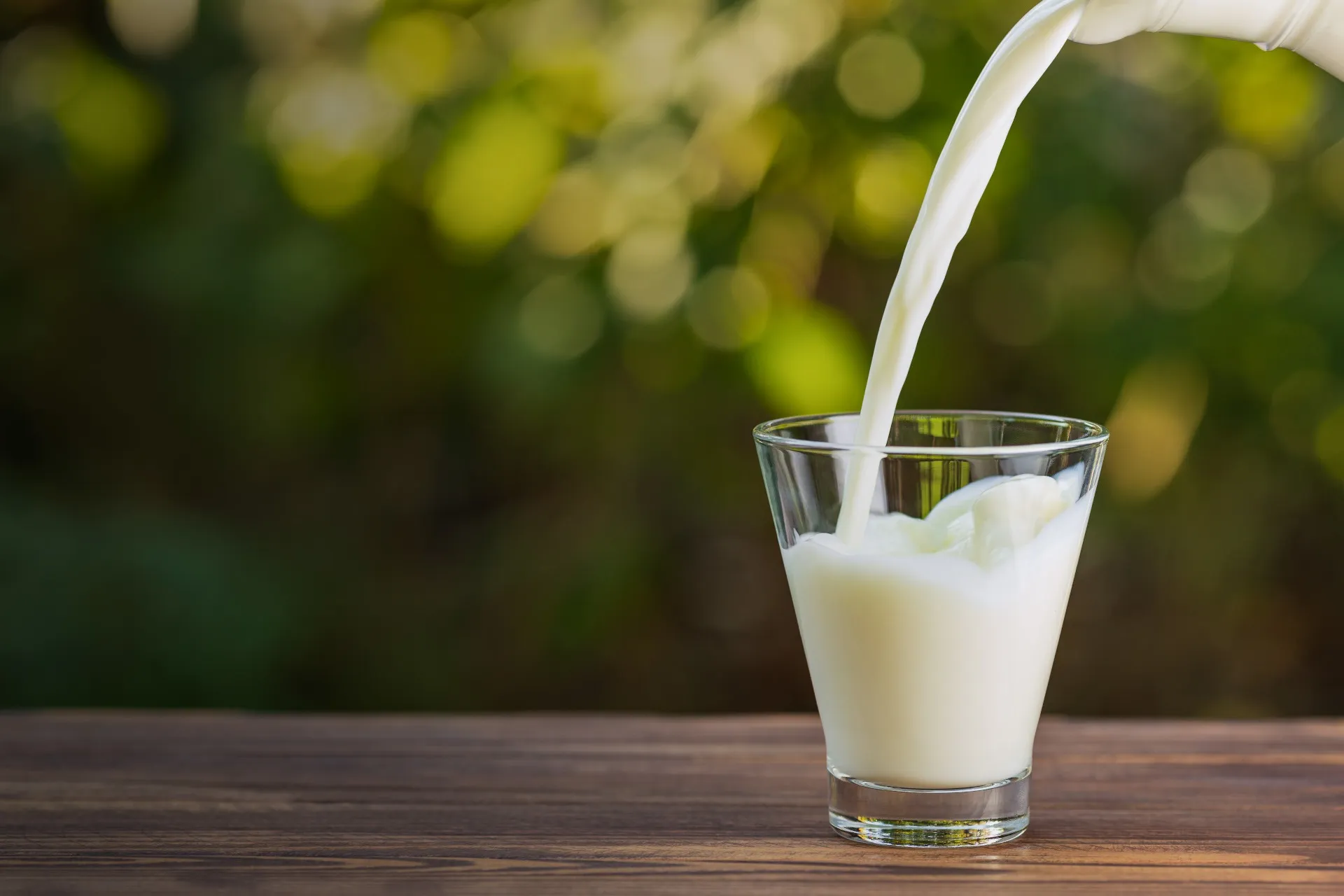
Why Choose SoyMilk?

The plant-based milk market is growing rapidly, with experts predicting it will reach nearly $35 billion by 2033. This growth is driven by several factors, including the rise of flexitarian diets and dairy allergies. While grocery stores offer many plant-based beverages, soymilk is the most comparable to cow's milk in terms of nutrition and protein. Learn about the nutritional benefits of soymilk and how it compares to other plant-based beverages.

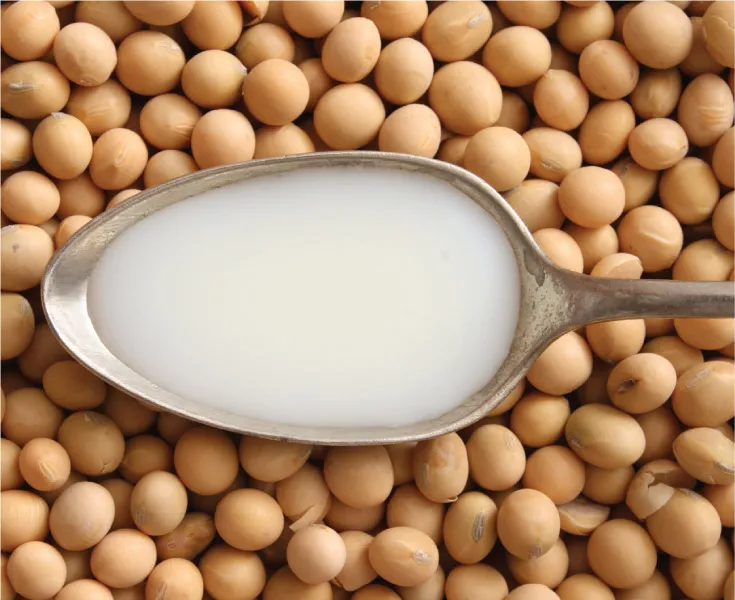
Soymilk has numerous nutrition benefits that make it a great alternative to dairy milk.

Protein Quality & Content

Soymilk provides nearly as much high-quality, complete protein as cow's milk. With all nine essential amino acids, a highly digestible protein and a similar amino acid profile, it is the plant-based milk most comparable to cow's milk.

Anti-Inflammatory Properties

Soy foods, such as soymilk, are fortified with omega-3 and omega-6 fatty acids, which have been associated with reduced risk for certain chronic diseases and contain anti-inflammatory properties.

Good Fats

Cow’s milk can contain saturated fat, while the majority of fat in soymilk is unsaturated. Soymilk contains monounsaturated and polyunsaturated that may decrease the level of cholesterol in your blood and reduce your risk for heart problems and strokes when eaten in place of saturated fats.

Potassium

Soymilk naturally has potassium—an essential mineral that every tissue in the body needs. Potassium is important for heart health.

Fortified soymilk is a great choice as it may help boost your vitamin and mineral intake. Most soymilks on the market are fortified with additional vitamins and minerals, including calcium, vitamin D, and vitamin A in amounts similar to cow’s milk. If you’re replacing animal sources with plant-based alternatives, opting for fortified products can be a good choice to meet your nutritional needs.

Calcium

While some dark, leafy greens contain calcium, many individuals need to supplement their calcium intake if they are limiting their intake of traditional dairy. Fortified beverages, like soymilk, can help do so.

Vitamin D

While vitamin D can be obtained through sun exposure, you can also boost your vitamin D intake with fortified soymilk.

Vitamin A

Fortified soymilk also contains vitamin A, which supports eye health and has a preventative effect on certain diseases.

Soymilk vs. Other Plant-Based Milks

Many dietitians recommend soymilk over other plant-based milks since its nutritional profile closely resembles that of cow’s milk. Out of every non-dairy milk, including almond, cashew, coconut, oat, hemp, flax, and more, only soy and pea milk have a similar level of protein as cow’s milk.



    Soy Connection logo