Different Types of Soy Foods and How to Use Them
Different Types of Soy Foods and How to Use Them
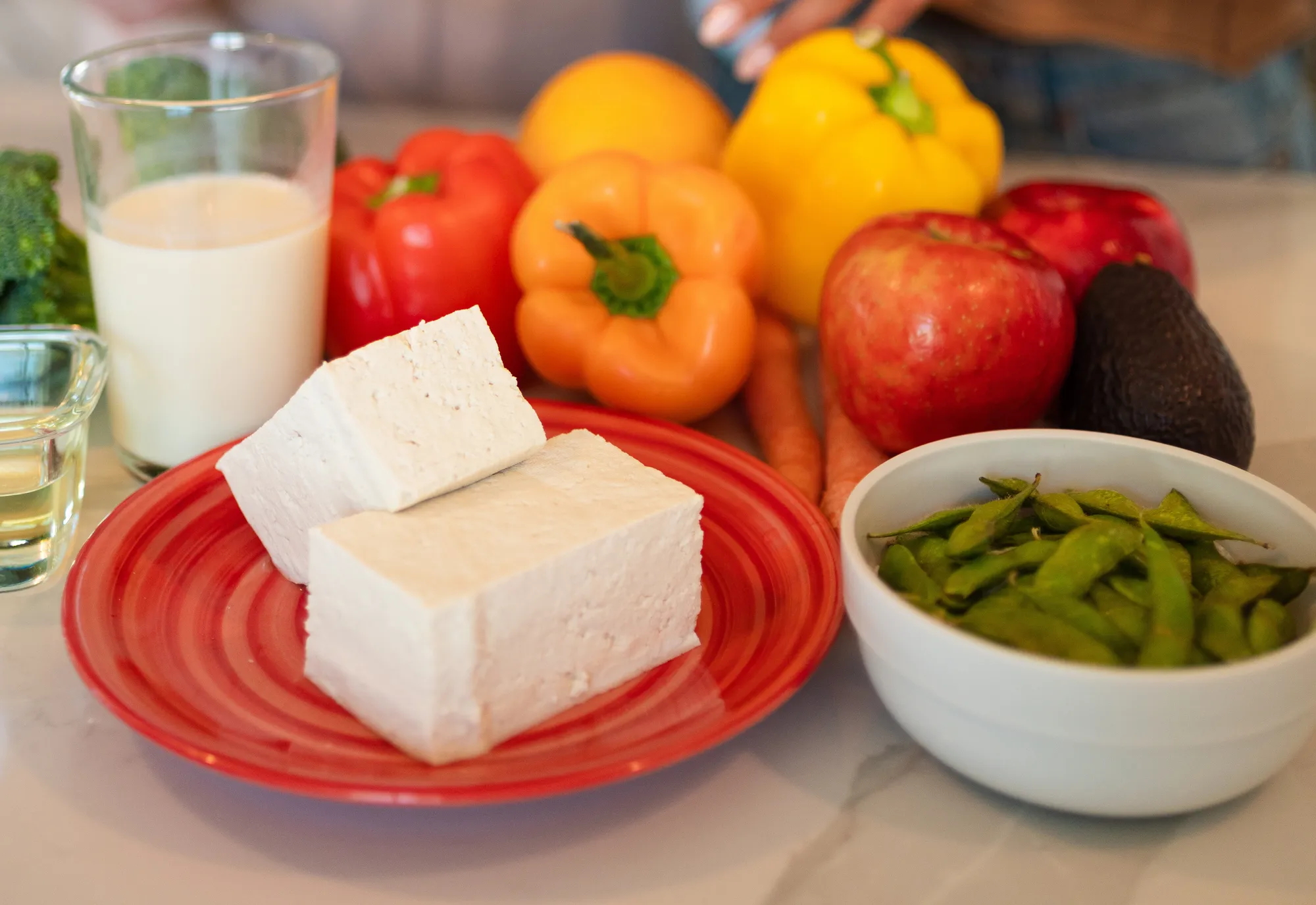
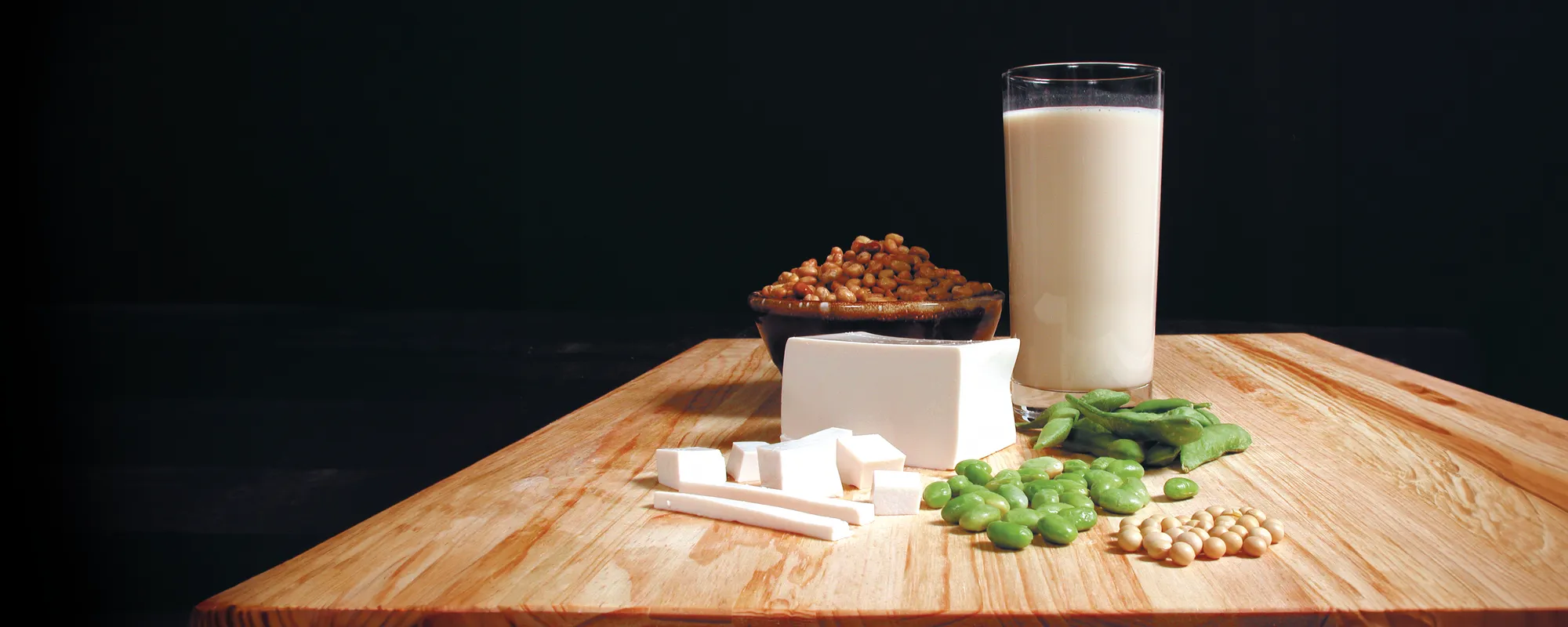
In the U.S., soybeans are used to make foods ranging from soybean oil, which may support heart health, complete plant-based proteins like tofu, and fermented options like miso, tempeh, natto, and soy sauce. These versatile foods provide plant-based protein and beneficial compounds like isoflavones, which have been studied for more than 30 years and support cardiovascular, bone and reproductive health through their unique interaction with estrogen receptors – without mimicking estrogen's full biological effects. Explore the different types of soy foods and how you and your clients can use them in everyday meals.
.webp)

Tofu
Ideas for cooking
Add cubed tofu to stir-fries, blend silken tofu into smoothies, or grill marinated extra-firm tofu for a protein-packed entrée.Nutrition Facts Per Serving
3 oz extra firm tofu
- Calories: 70
- Total Fat: 4.5 g
- Cholesterol: 0 mg
- Sodium: 0 mg
- Total Carbohydrate: 1 g
- Fiber: <1 g
- Protein: 8 g
- Isoflavone Content: 19 mg
Tempeh
Ideas for cooking
Slice and sauté for grain bowls, marinate and grill for sandwiches, or crumble into sauces and chili. For a delicious, easy-to-make recipe.
Nutrition Facts Per Serving
- Calories: 160
- Total Fat: 4.5 g
- Cholesterol: 0 mg
- Sodium: 0 mg
- Total Carbohydrate: 12 g
- Fiber: 6 g
- Protein: 18 g
- Isoflavone Content: 52 mg
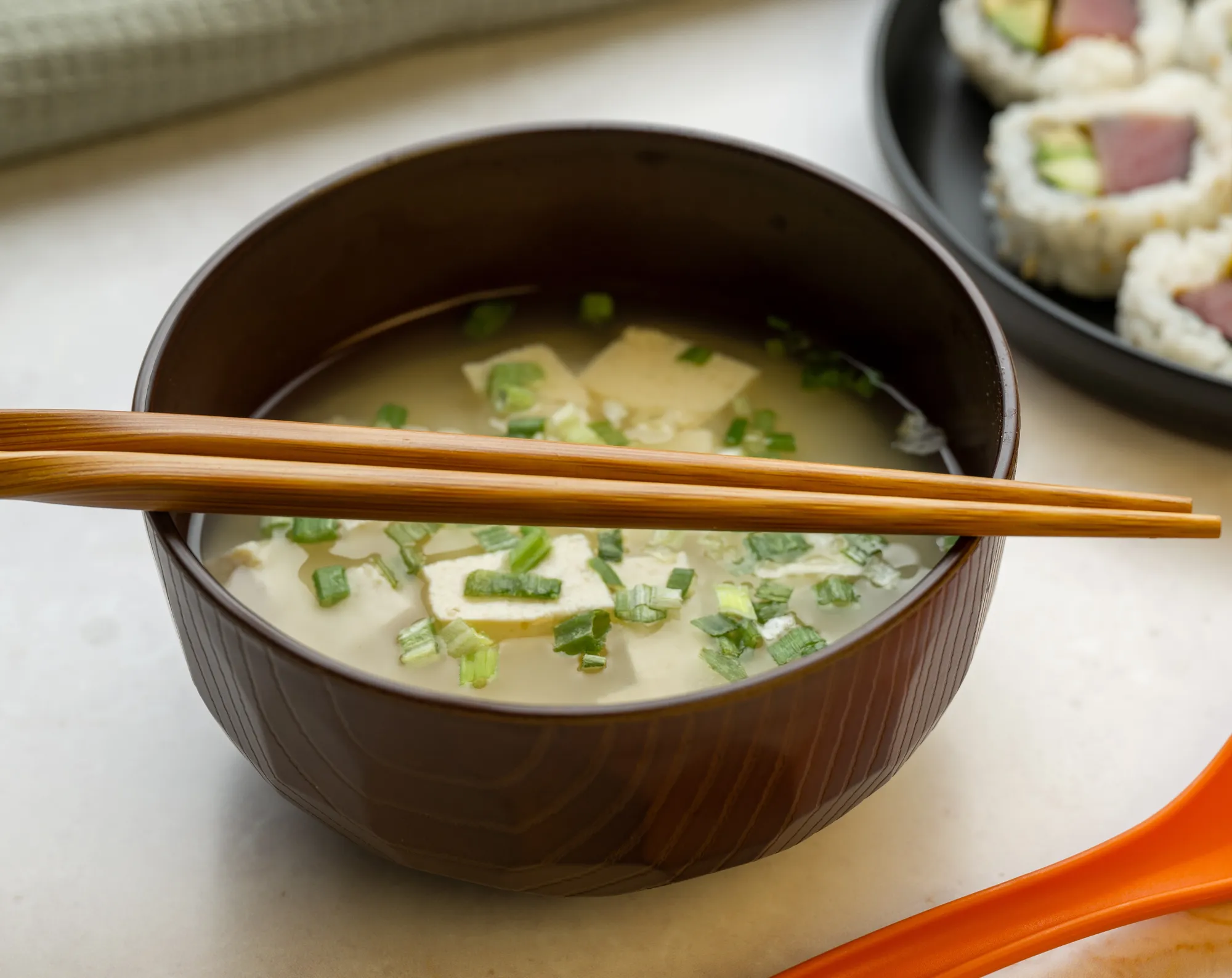
Miso
Ideas for cooking
Stir miso paste into soups, marinades, or salad dressings. You could also try using miso soup paste for a quick, savory broth.Nutrition Facts Per Serving
1 teaspoon
- Calories: 10
- Total Fat: 0 g
- Cholesterol: 0 mg
- Sodium: 630 mg
- Total Carbohydrate: 4 g
- Fiber: <1 g
- Protein: <1 g
- Isoflavone Content: 2.5 mg
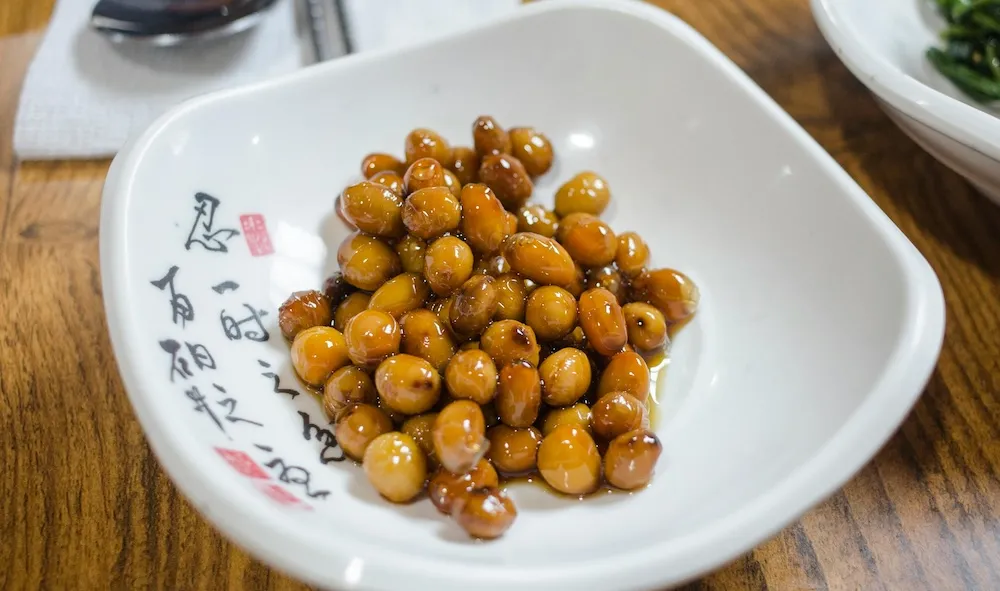
Natto
Ideas for cooking
Traditionally enjoyed over rice, natto can also be mixed with soy sauce and green onions for a salty, protein-rich meal.Nutrition Facts Per Serving
1/2 cup
- Calories: 180
- Total Fat: 10 g
- Cholesterol: 0 mg
- Sodium: 5 mg
- Total Carbohydrate: 11 g
- Fiber: 5 g
- Protein: 17 g
- Isoflavone Content: 72 mg
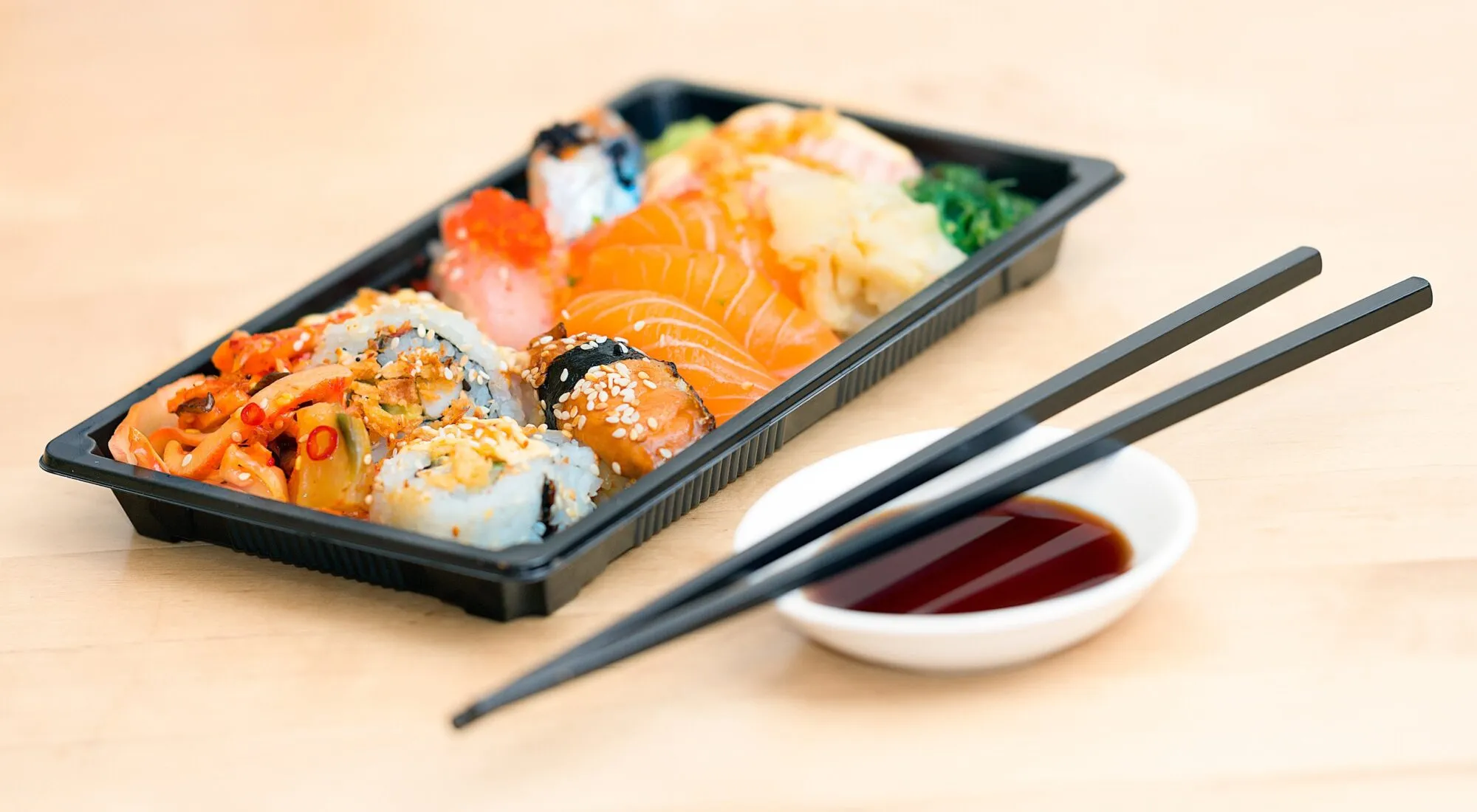
Soy Sauce
Ideas for cooking
Use soy sauce in marinades, stir fries, dipping sauces, dressings, or simply over white rice to add a touch of flavor.Nutrition Facts Per Serving
1 tablespoon
- Calories: 10
- Total Fat: 0 g
- Cholesterol: 0 mg
- Sodium: 880 mg
- Total Carbohydrate: <1 g
- Fiber: 0 g
- Protein: 1 g
- Isoflavone Content: 0.2 mg
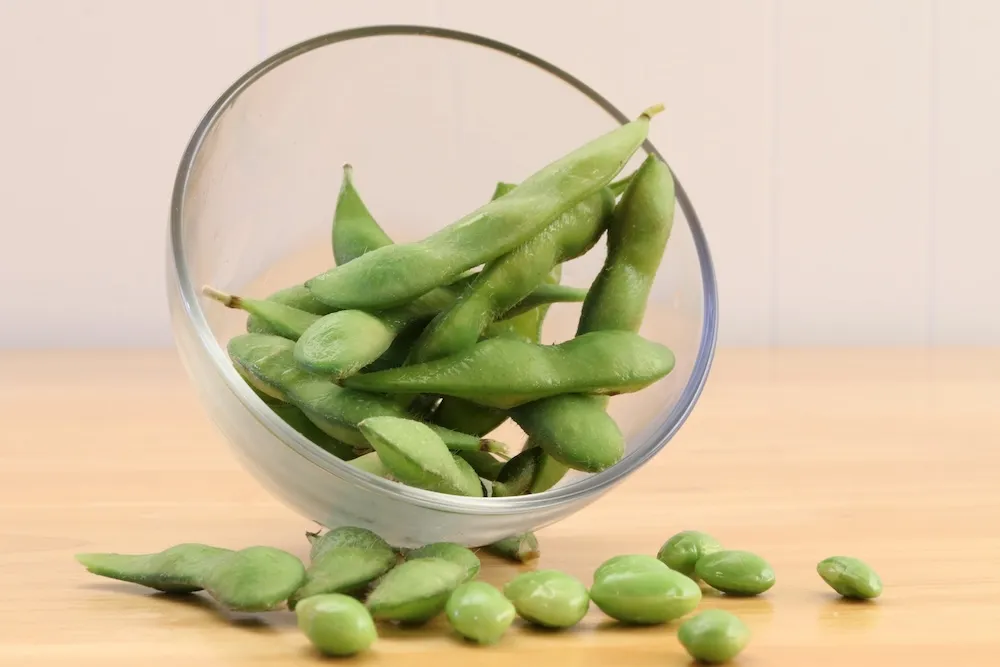
Edamame
Ideas for cooking
Serve it as an appetizer and season it with garlic or your favorite spices, create an edamame hummus, or add it to stir fries, salads, or pasta dishes.
Nutrition Facts Per Serving
1/2 cup shelled edamame
- Calories: 90
- Total Fat: 2 g
- Cholesterol: 0 mg
- Sodium: 10 mg
- Total Carbohydrate: 10 g
- Fiber: 4 g
- Protein: 9 g
- Isoflavone Content: 13 mg
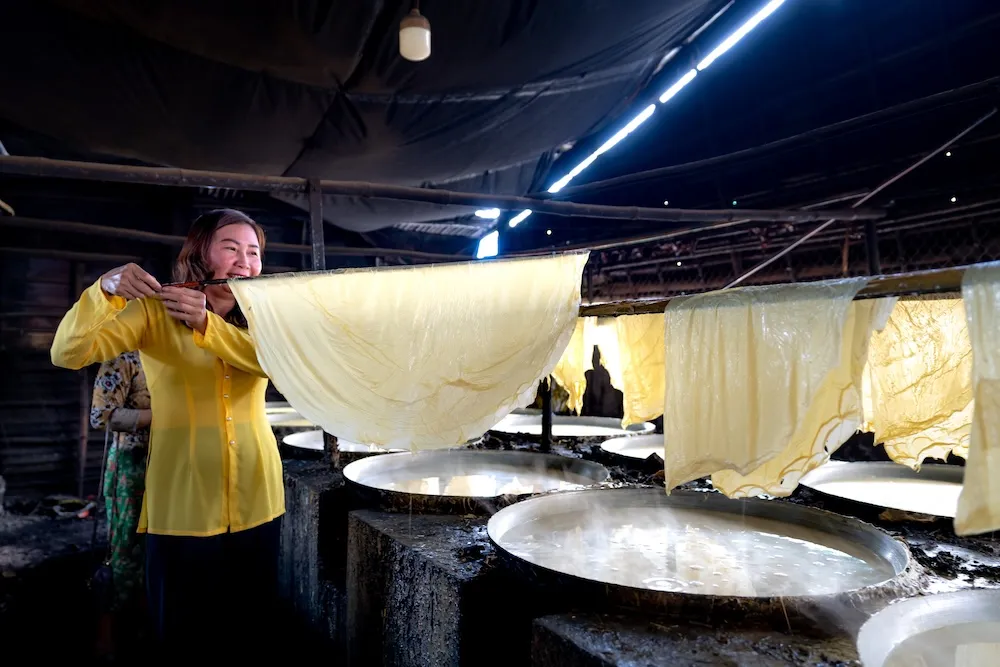
Yuba
Ideas for cooking
Toss yuba in with your favorite stir fry, add yuba slices to salads, wrap fillings for rolls, or braise it in broth.Nutrition Facts Per Serving
3 oz
- Calories: 150
- Total Fat: 3 g
- Cholesterol: 0 mg
- Sodium: 10 mg
- Total Carbohydrate: 11 g
- Fiber: 3 g
- Protein: 21 g
- Isoflavone Content: 38 mg