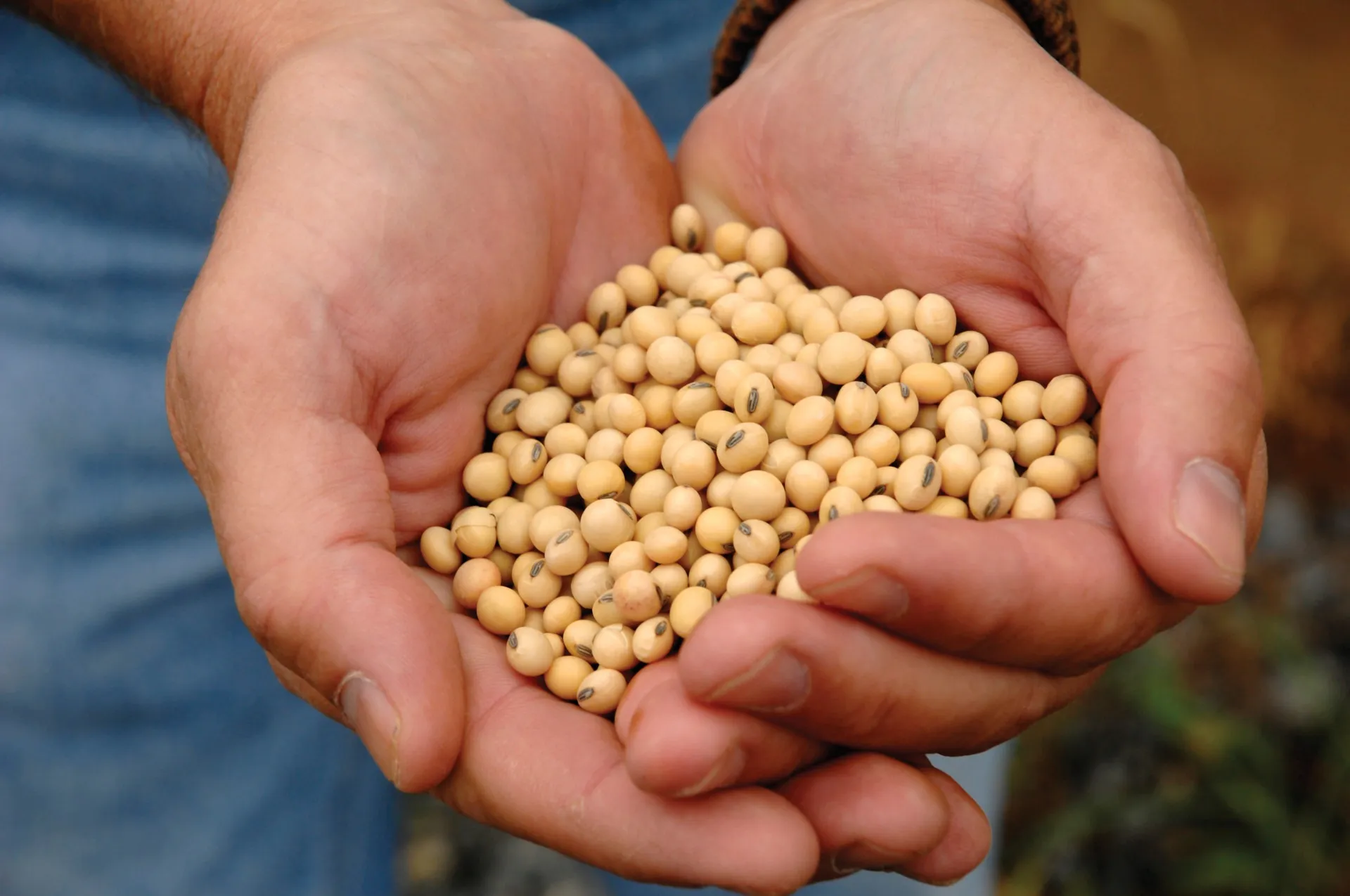
Sustainable Soybean Production in the United States
Is U.S. Soybean Production Sustainable?
Soybean sustainability is a priority to U.S. soybean farmers. These techniques help farmers improve efficiencies, yield more crops, and produce sustainable soy. These practices also help to improve nutrient efficiency of soil, use less pesticides, boost crop productivity, conserve water, and enrich soil quality. As stewards of the land, farmers follow sustainable soy farming practices such as:
Hear from U.S. Soybean Farmers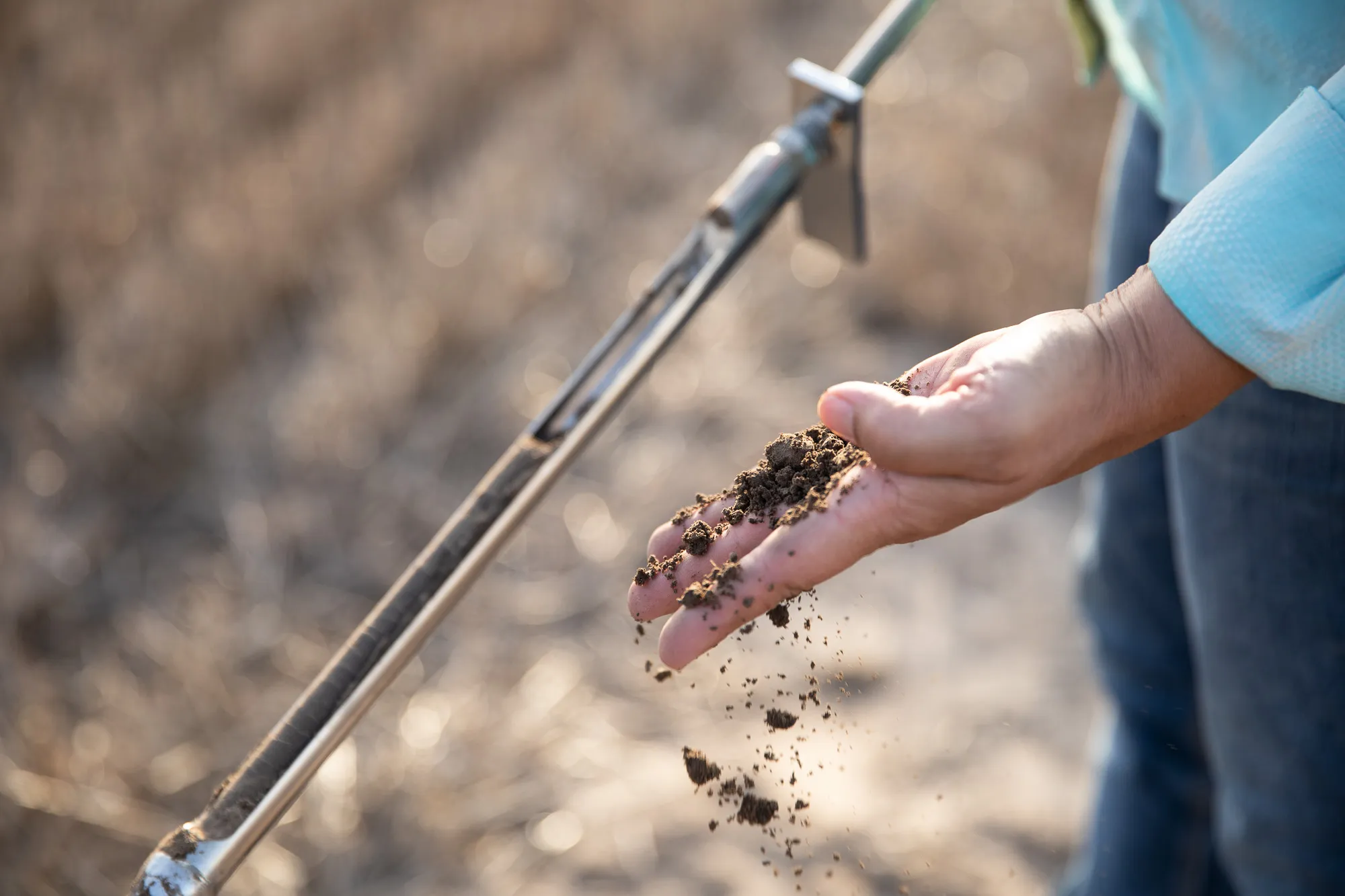
Crop rotation
Rotating different crops on fields during each growing season to improve soil health, enhance nutrients, prevent weed and disease pressures and increase yields.
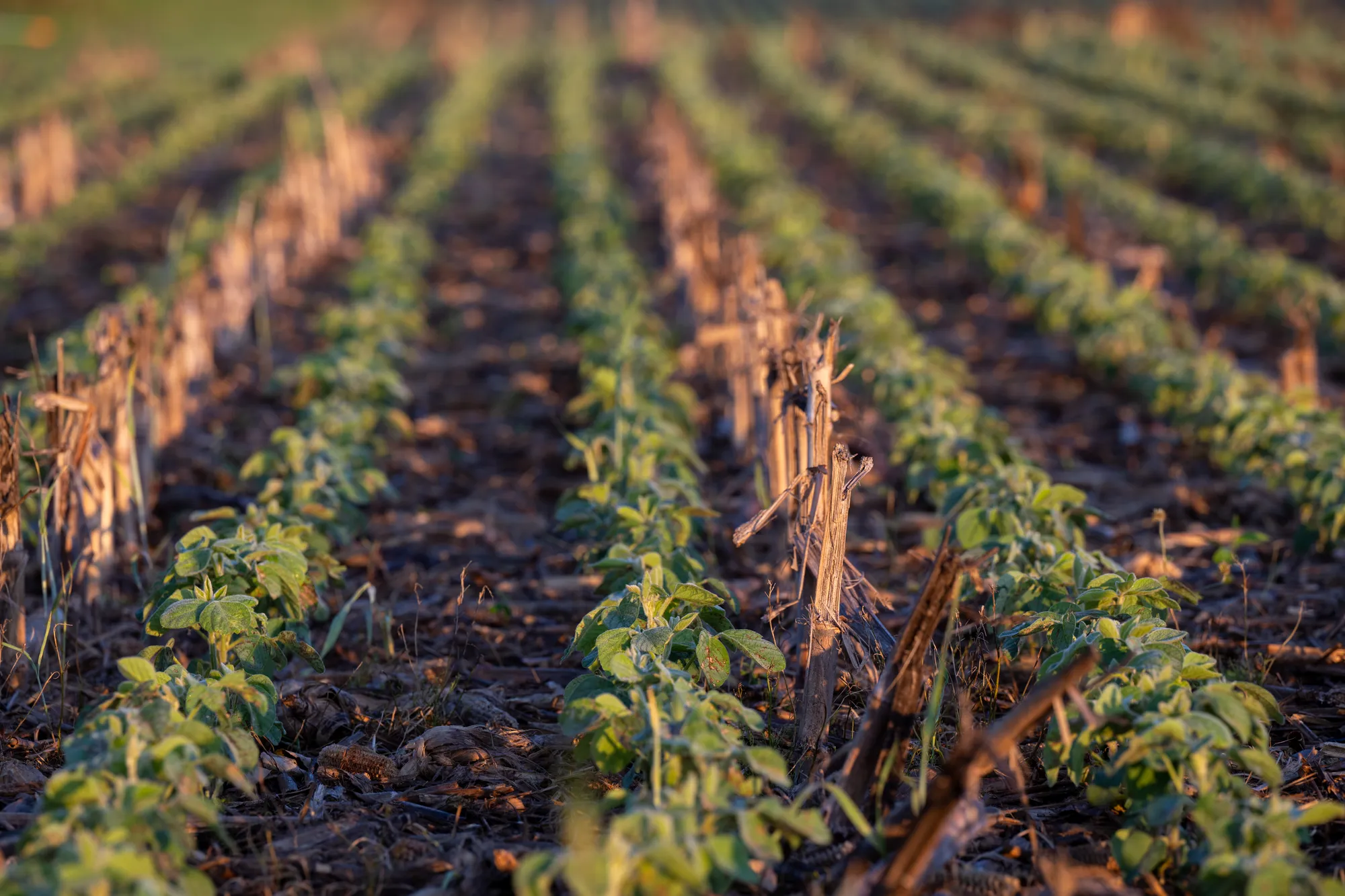
Reduced-till or no-till
A farming practice that minimizes or eliminates soil disturbance before planting and after harvest.
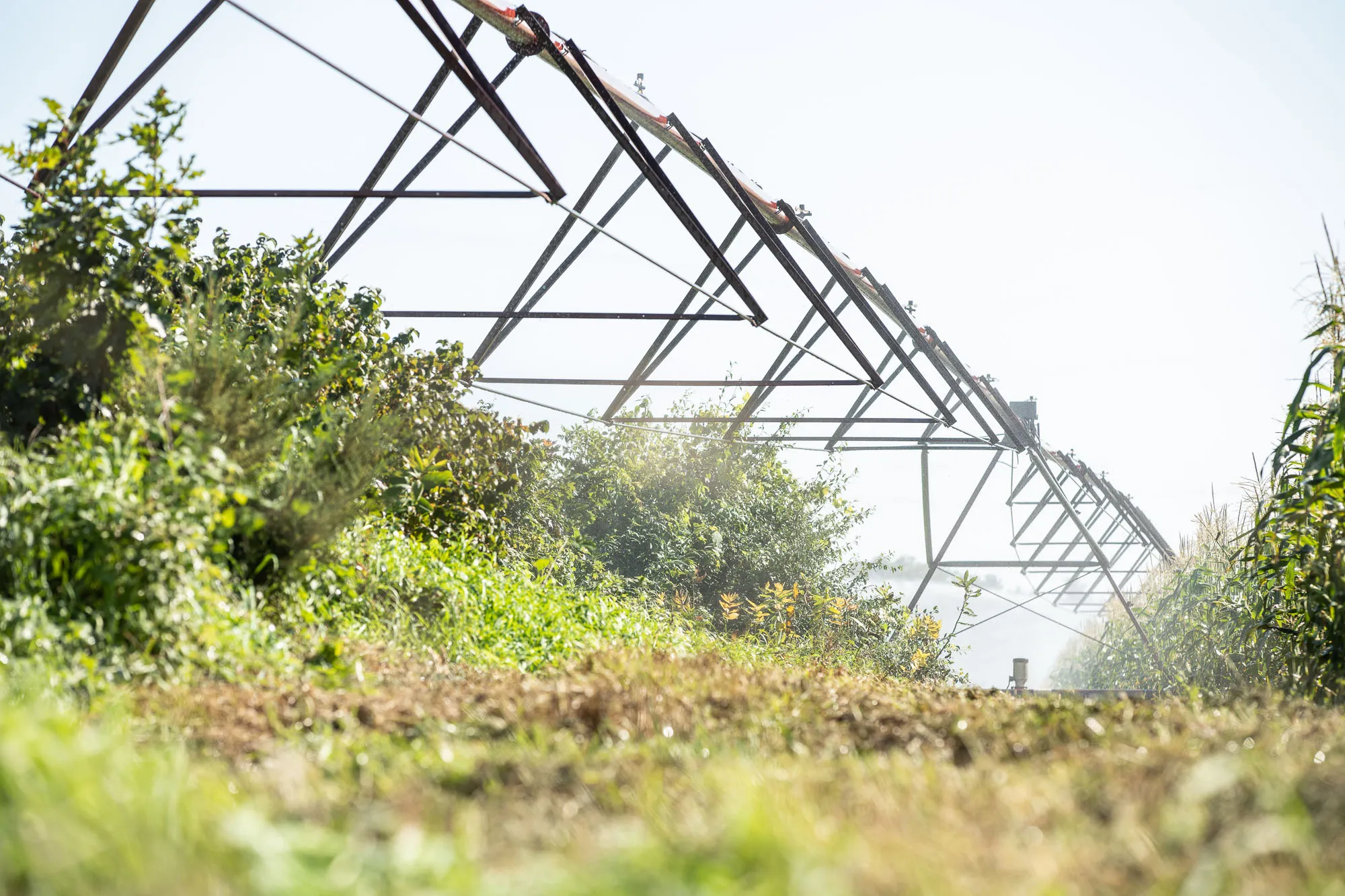
Water and nutrient management
Uses proper levels of water, fertilizers, or amendments to keep the soil and plants thriving.

Precision farming technology
An approach to farm management that uses technology to ensure crops and soil receive what they need at the right time.
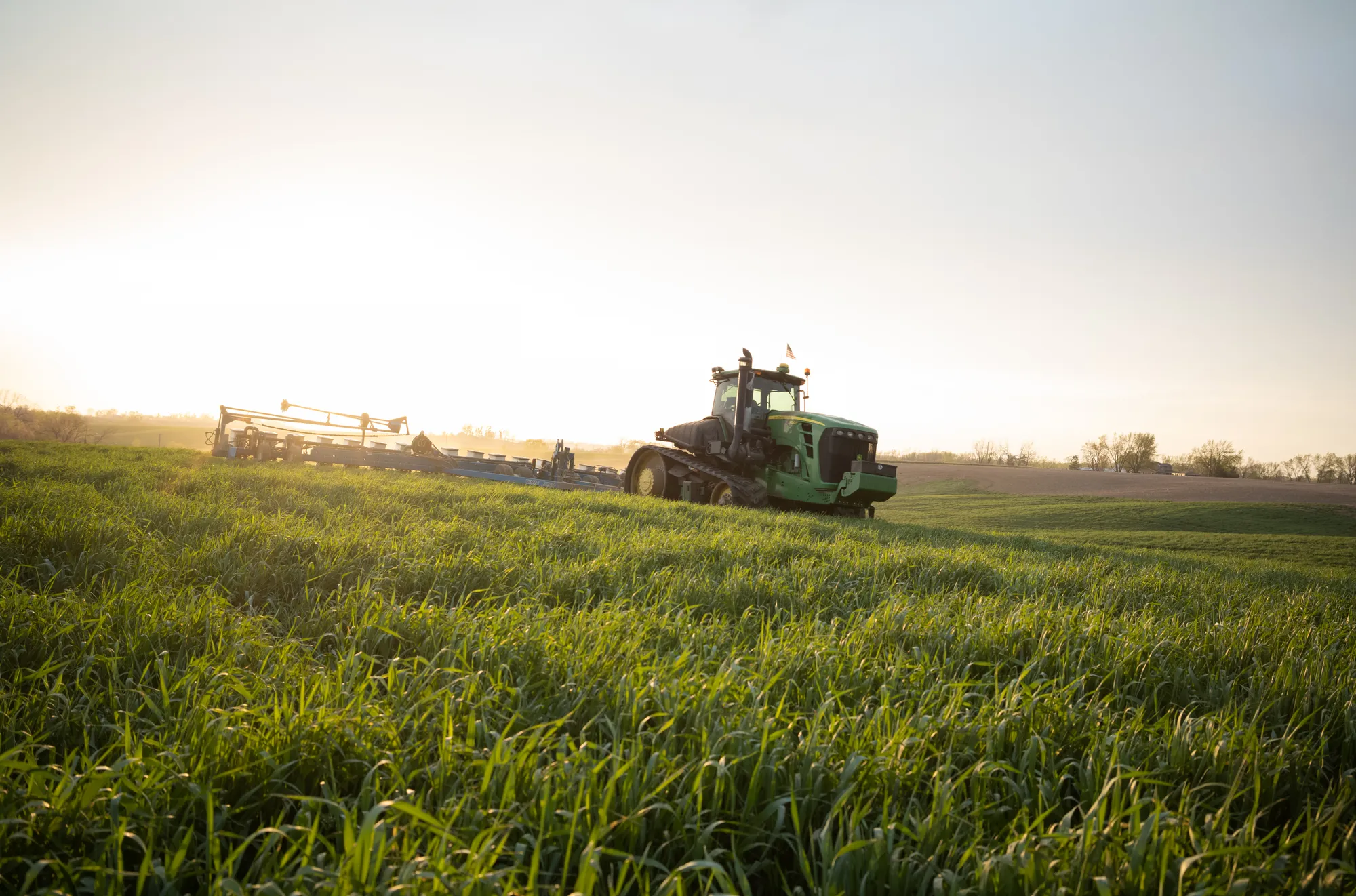
Cover crops
Non-harvested crops are planted between growing seasons to protect the soil, reduce erosion, and maintain soil health.

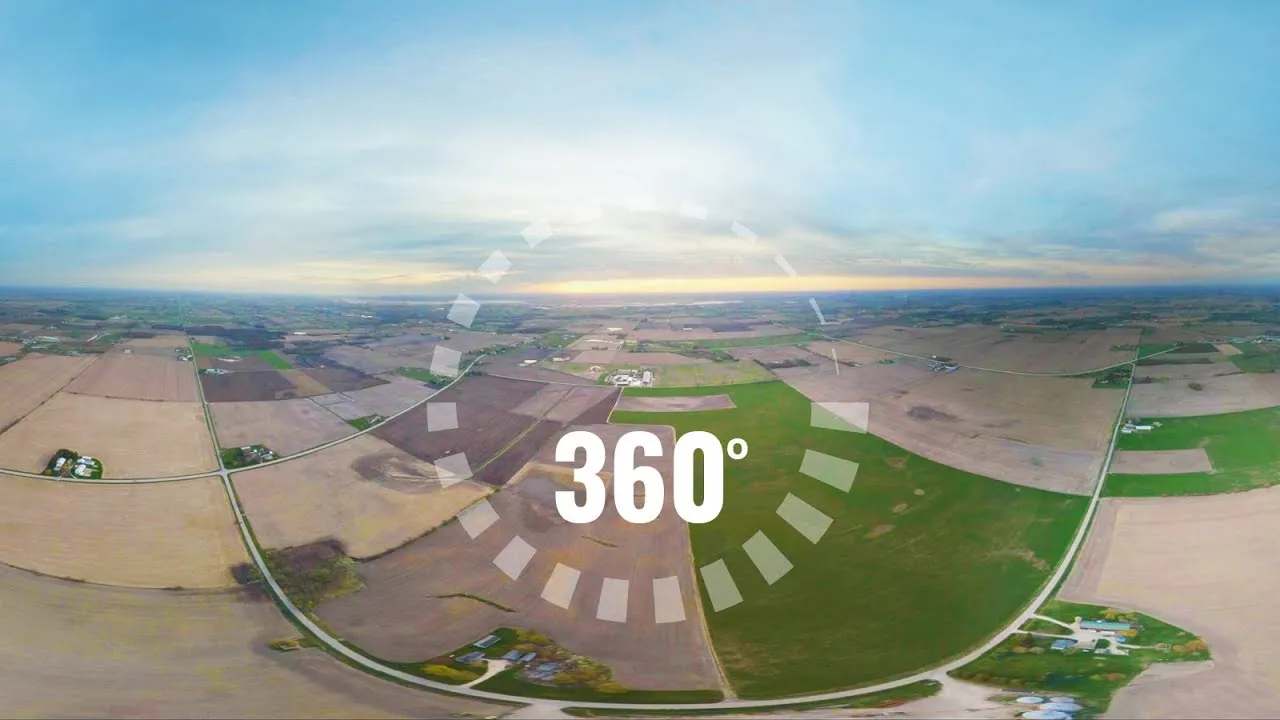
The Sustainable Advantage of U.S. Soy
By leveraging U.S.-grown soybeans’ shorter supply chain, the food industry reduces its carbon footprint and transportation costs, which helps keep soy sustainable.
80 MILLION acres of U.S. soybeans means that sustainable soy products, like soy protein and soybean oil, are always readily available to meet food company ingredient needs.
4X MORE refining facilities for U.S. grown conventional and high oleic soybean oil, compared to other oilseed processing facilities.
U.S. soybean farmers are committed to employing new sustainable production practices to continuously advance sustainability efforts.
Agri-FootprintTM 6.3, a Life Cycle Inventory database from Mérieux NutriSciences | Blonk released in 2023, found the carbon footprint of soybeans grown in the U.S. to be significantly lower than soybeans grown in Argentina and Brazil. U.S. soybean oil is responsible for just 0.73 kilograms of carbon per kilogram of product, compared to 7.95 kilograms of CO2 for Argentina and 7.90 kilograms of CO2 for Brazil.
This showcases how U.S. soybean farmers are part of the solution to reduce the impact farming has on the environment.
United Soybean Board and U.S. Soy are actively advancing national sustainability continuous improvement goals that focus on making the biggest difference at the farm level and through our value chain. With a 2030 target date and 2020 as the benchmark year, these goals aim to:
- Reduce land use impact of U.S. Soy by 10% (calculated as planted acres per bushel)
- Reduce soil erosion in U.S. Soy production by 25% (calculated as tons of soil loss per acre)
- Reduce energy use in U.S. Soy production by 10 percent (calculated as BTUs per bushel)
- Reduce greenhouse gas (GHG) emissions generated in U.S. Soy production by 5 percent (calculated as pounds of CO2 equivalent per bushel)
Between 1980 and 2020, U.S. soybean farmers significantly improved their sustainability metrics:
- Produced 43% less greenhouse gas emissions (per bushel)
- Improved land use efficiency by 47% (per bushel)
- Increased the amount of soy being produced by 130% (per bushel)