
The Truth About Soy Allergies

The Big Nine Allergens
While over 170 different foods have reportedly caused allergies, the majority of allergies are caused by the following nine foods:

Milk

Eggs

Fish

Crustacean Shellfish

Tree Nuts

Peanuts

Wheat
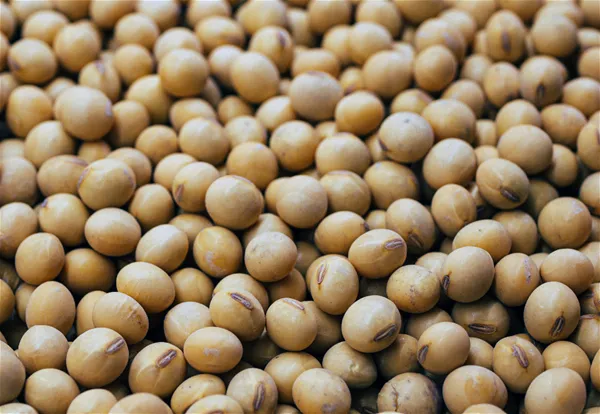
Soybeans
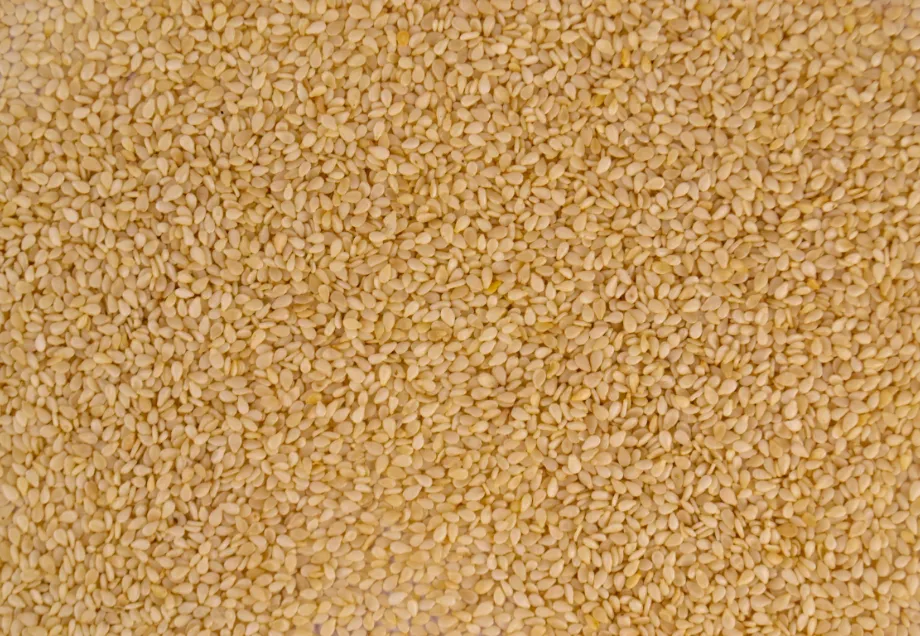
Sesame Seeds
Milk
Eggs
Fish
Crustacean Shellfish
Tree Nuts
Peanuts
Wheat
Soybeans
Sesame Seeds
Soy Allergies Explained

The food industry uses soy protein frequently in products such as plant-based burgers, protein bars, fortified cereals and more. Thankfully, soy allergies have the second lowest prevalence rate, despite soybeans being in The Big Nine allergens. Out of the nine major allergens, soy has one of the lowest prevalence. People are more likely to be allergic to milk, eggs, fish, shellfish, tree nuts, peanuts, or wheat than they are to soy.
Soy Allergies Explained
The food industry uses soy protein frequently in products such as plant-based burgers, protein bars, fortified cereals and more. Thankfully, soy allergies have the second lowest prevalence rate, despite soybeans being in The Big Nine allergens. Out of the nine major allergens, soy has one of the lowest prevalence. People are more likely to be allergic to milk, eggs, fish, shellfish, tree nuts, peanuts, or wheat than they are to soy.

Soy allergies are rare among children and babies. The American College of Allergy, Asthma and Immunology estimates that less than one percent of all children have a soy allergy, and 70% will outgrow it by age 10.

The term “soy-free” may be found on nutrition labels to alert consumers who have a soy allergy that the product does not contain soy ingredients. This disclaimer does not indicate or allude to the healthiness of a food product. When included in the diet, soy can be a quality source of protein and offer heart health benefits.

Soybean oil isn’t an allergen and doesn’t need to be labeled as such. This is because refined soybean oil only contains trace amounts of soy protein, which isn’t enough to trigger individuals with soy allergies.A study following seven soybean-sensitive volunteers tested their reactions to popular soybean oil brands. Each volunteer had a history of reacting to soy negatively, but none showed signs of being allergic to soybean oil after a skin puncture test and ingesting small amounts. Unless you have a soy allergy yourself, adding this power-packed ingredient to your dishes may help with heart health and more.