Soy and Your Gut Microbiome
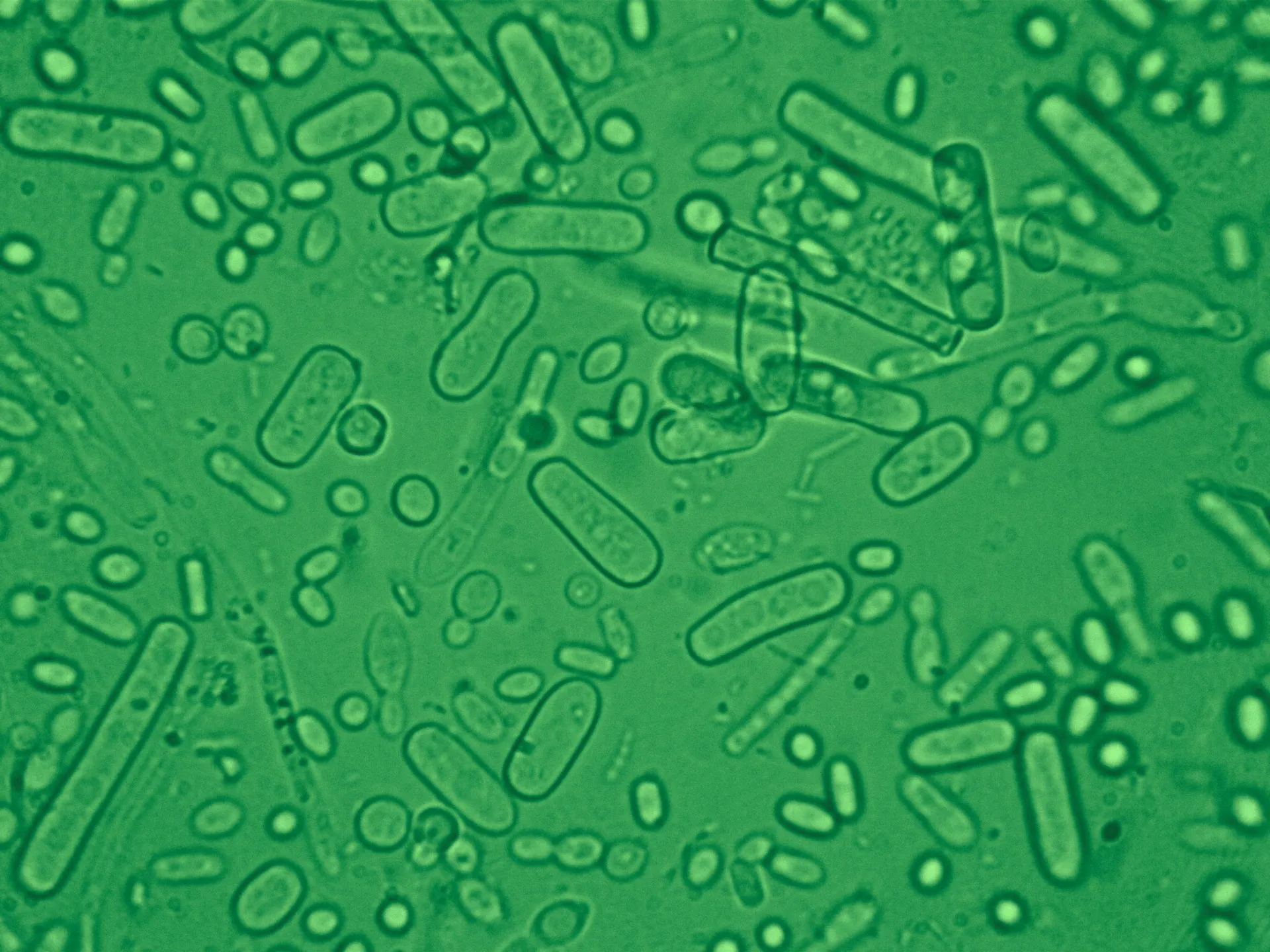
Is Soy Good for Gut Health?
Soy has four major components that may act as prebiotics.
Oligosaccharides
A type of carbohydrate found in soybeans. Oligosaccharides aren’t digested in the small intestine. Instead, they enter the large intestine, where most of your gut bacteria reside, and provide fuel for good bacteria.
Protein
More research on soy protein and gut health is needed. However, findings from animal studies have been encouraging and have helped provide insights for future research on soy protein and the gut microbiota.
Isoflavones
Researchers believe isoflavones, plant-based compounds from foods like soybeans, make their way to the colon where they can interact directly with the microbiota.
Fiber
Fiber fuels your gut bacteria and supports digestive health.
Is Soy Good for Gut Health?
Soy has four major components that may act as prebiotics.
Oligosaccharides
A type of carbohydrate found in soybeans. Oligosaccharides aren’t digested in the small intestine. Instead, they enter the large intestine, where most of your gut bacteria reside, and provide fuel for good bacteria.
Protein
More research on soy protein and gut health is needed. However, findings from animal studies have been encouraging and have helped provide insights for future research on soy protein and the gut microbiota.
Isoflavones
Researchers believe isoflavones, plant-based compounds from foods like soybeans, make their way to the colon where they can interact directly with the microbiota.
Fiber
Fiber fuels your gut bacteria and supports digestive health.
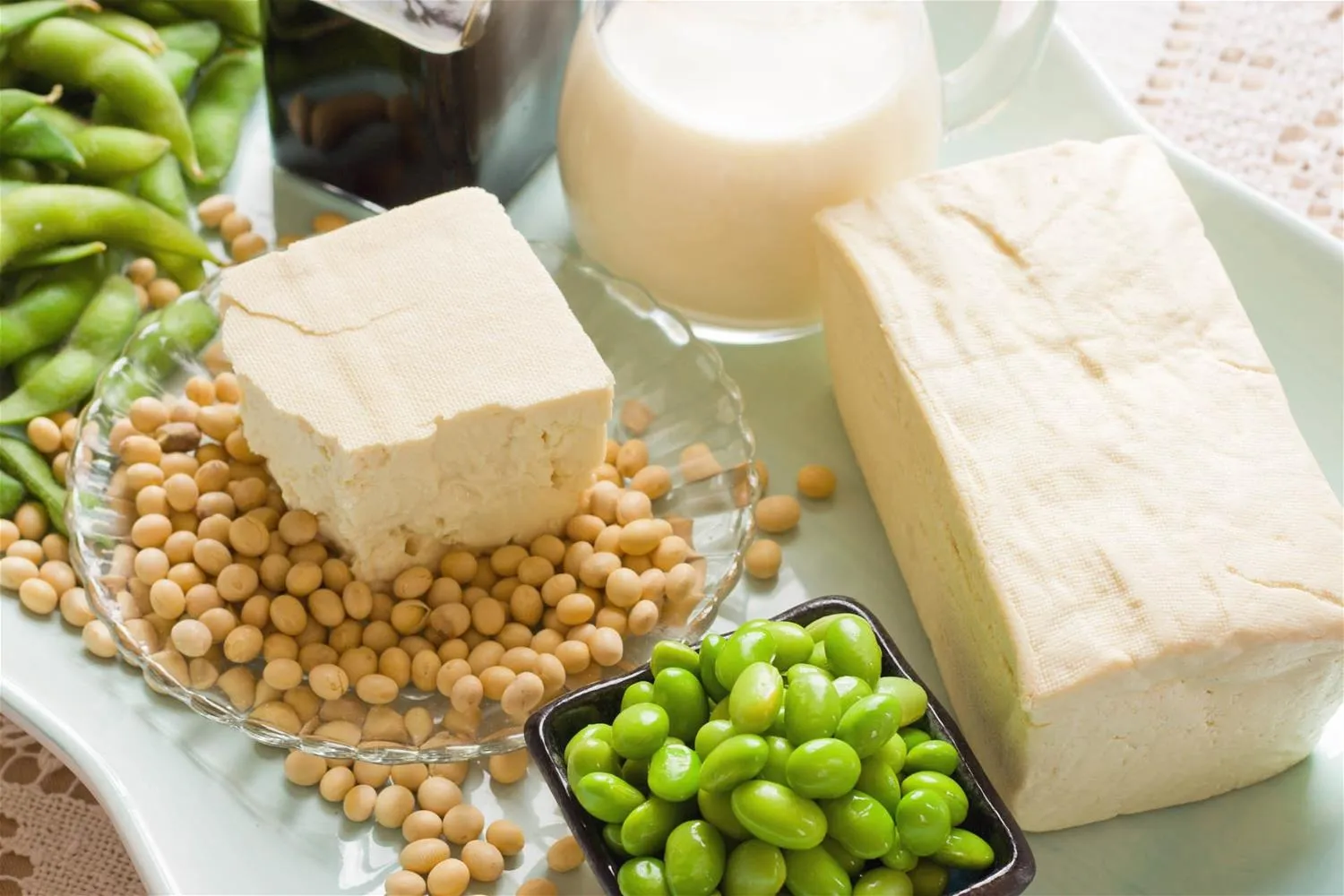
Soybeans are a great source of dietary fiber, as one serving of soybeans has around eight grams.
Consuming high amounts of dietary fiber is associated with
- A diverse gut microbiome
- Reduced levels of obesity.
Whole Soy Foods Offer More Fiber
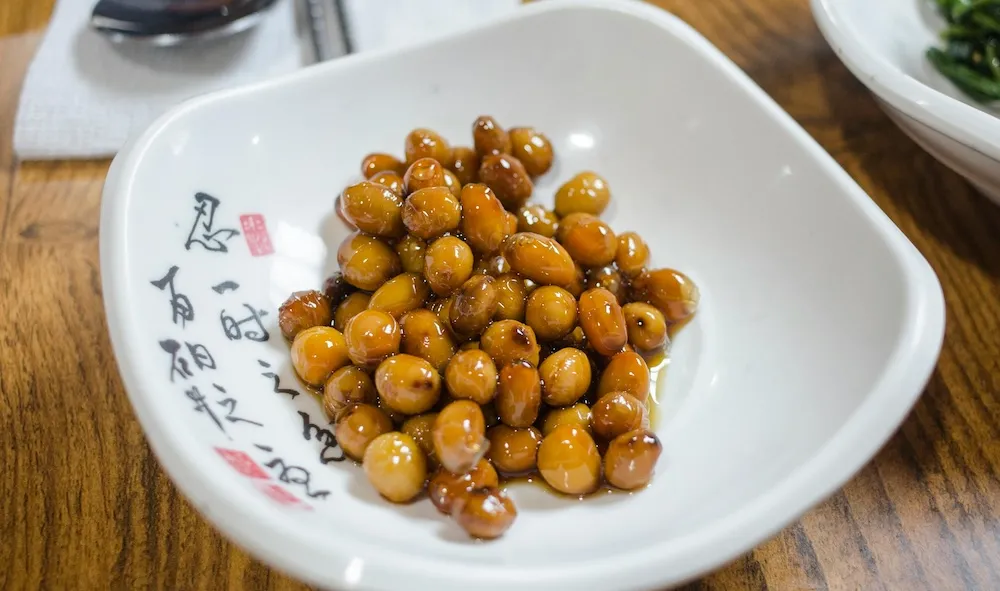
Soy foods that use the entire soybean, such as edamame or soy nuts, are higher in fiber than other soy foods like tofu or soy milk, that may be more processed.

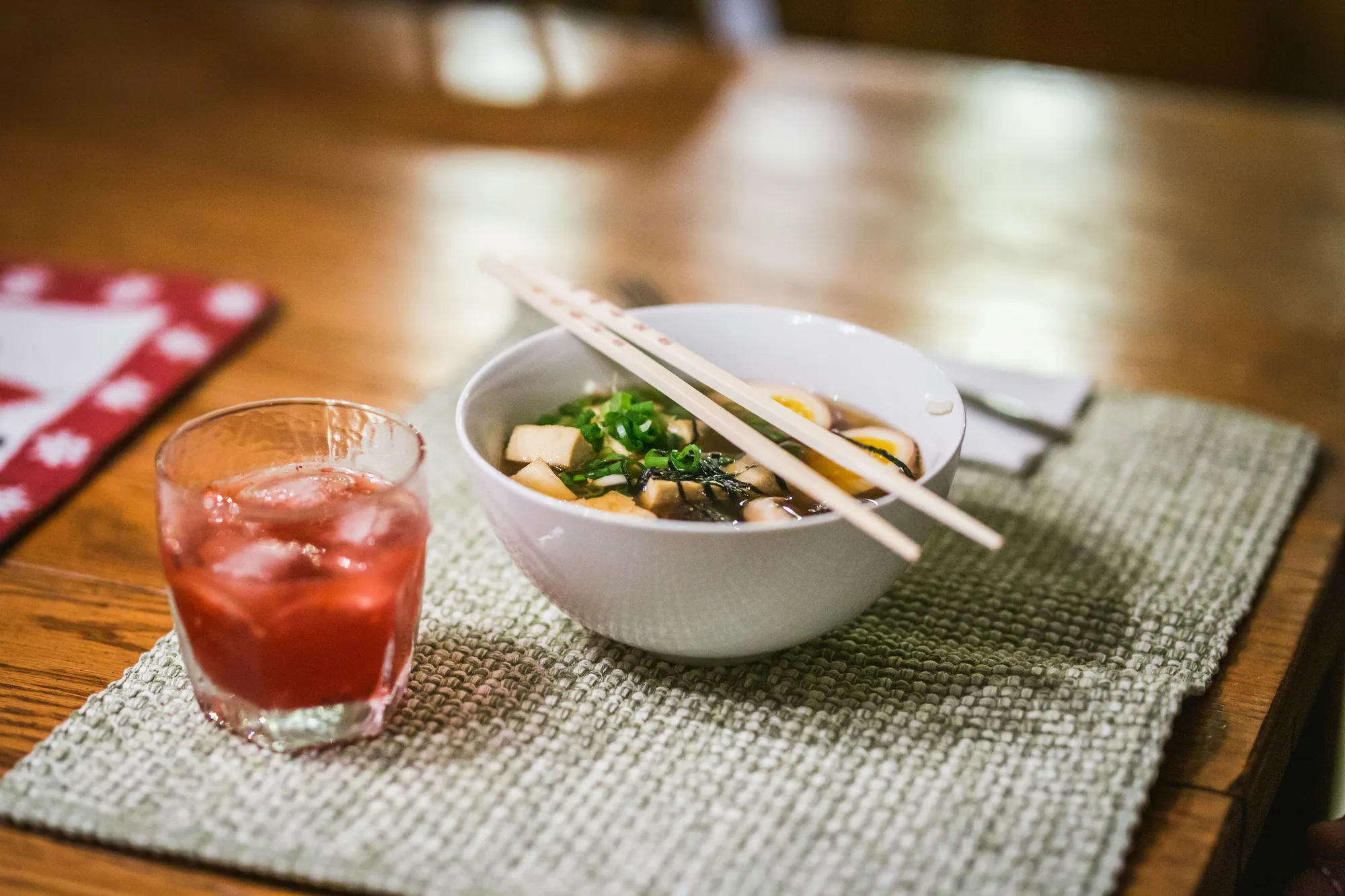
Fermented soy foods, such as miso and natto, are popular in Asian countries and gaining popularity in the U.S. Fermentation changes soy’s composition in ways that may positively affect the microbiome.
What the studies show
- Soybean tempeh stimulated the growth of Bifidobacterium, a potentially beneficial gut bacterium, while common bean tempeh did not.
- Seven healthy volunteers who consumed 50 grams of natto daily for two weeks experienced increases in the beneficial gut bacteria Bacillus subtilis and Bifidobacterium, along with a decrease in the potentially harmful bacterium Clostridium perfringens. A similar study using miso soup that contained natto yielded similar results.
- Fermented soy milk also increased levels of Bifidobacterium and Lactobacillus and improved the ratio of beneficial to potentially harmful bacteria.