U.S. Soybean Farming and Production
U.S. Soy: Grown for the Future
U.S. farmers are highly innovative and use technology to create more sustainable and functional soybean crops. They’re constantly planting new types of soy to yield nutritional and more functional harvests while embracing sustainable production practices that protect the land for the future. Sustainable soybean production is always a top priority.
Today, soybean farming combines traditional agricultural knowledge with modern technology to improve crop yields, protect soil health, ensure long-term sustainability. Many soybean farmers also use crop rotation practices to support soil health, biodiversity and long-term agricultural sustainability.
U.S. Soy: Grown for the Future
U.S. farmers are highly innovative and use technology to create more sustainable and functional soybean crops. They’re constantly planting new types of soy to yield nutritional and more functional harvests while embracing sustainable production practices that protect the land for the future. Sustainable soybean production is always a top priority.
Today, soybean farming combines traditional agricultural knowledge with modern technology to improve crop yields, protect soil health, ensure long-term sustainability. Many soybean farmers also use crop rotation practices to support soil health, biodiversity and long-term agricultural sustainability.
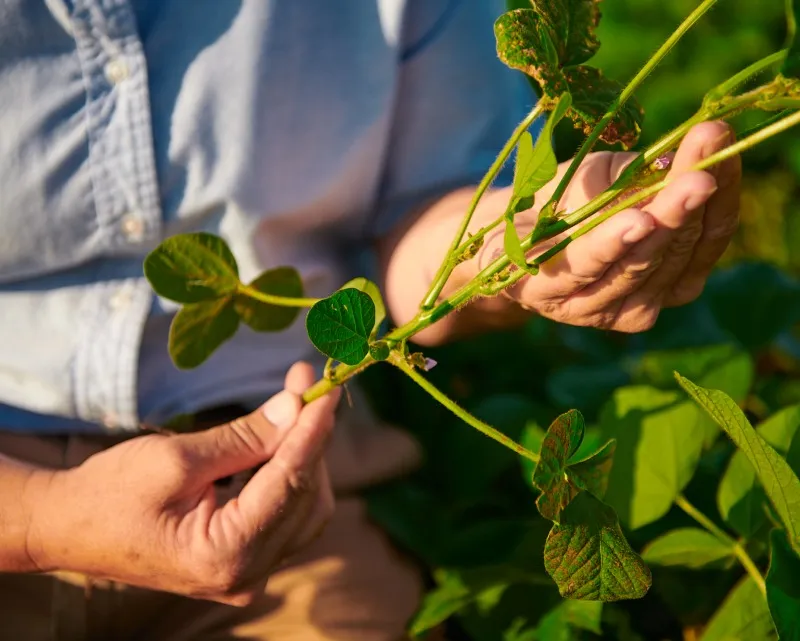
Farmers pursue innovation in soybean production through regenerative agriculture and biotechnology farming—farming with scientific tools and discoveries. Different types of agricultural technology, or AgTech, particularly biotechnology, are bringing farming into the modern age.
Bioengineering can reduce herbicide usage, prevent weeds and insects, increase harvest size and profit, and help the environment. To support these aims, the United Soybean Board works with farmers to establish best practices that allow soy farmers to use inputs more efficiently and work toward producing a better soybean.

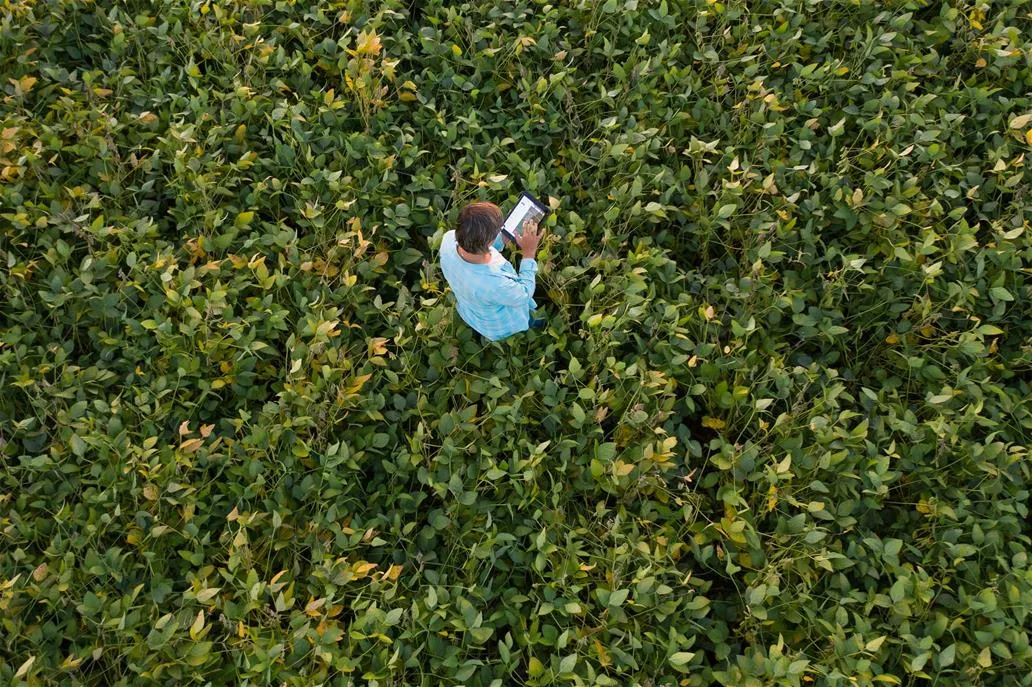
Farmers are also turning to sustainable techniques like precision farming to grow their soy crops. Precision farming increases efficiency by helping farmers identify exactly what their soybean crops need and when they need them. Technologies like GPS and satellite mapping also help farmers use their land more effectively.
These innovative practices help yield a nutritional product, protect against harsh weather and address hunger around the world.
The Growth Stages of Soy
Soybeans have two distinct growth stages: the vegetative stage and the reproductive stage. After harvest, their journey continues as they help provide high-quality protein to feed people and animals around the world.
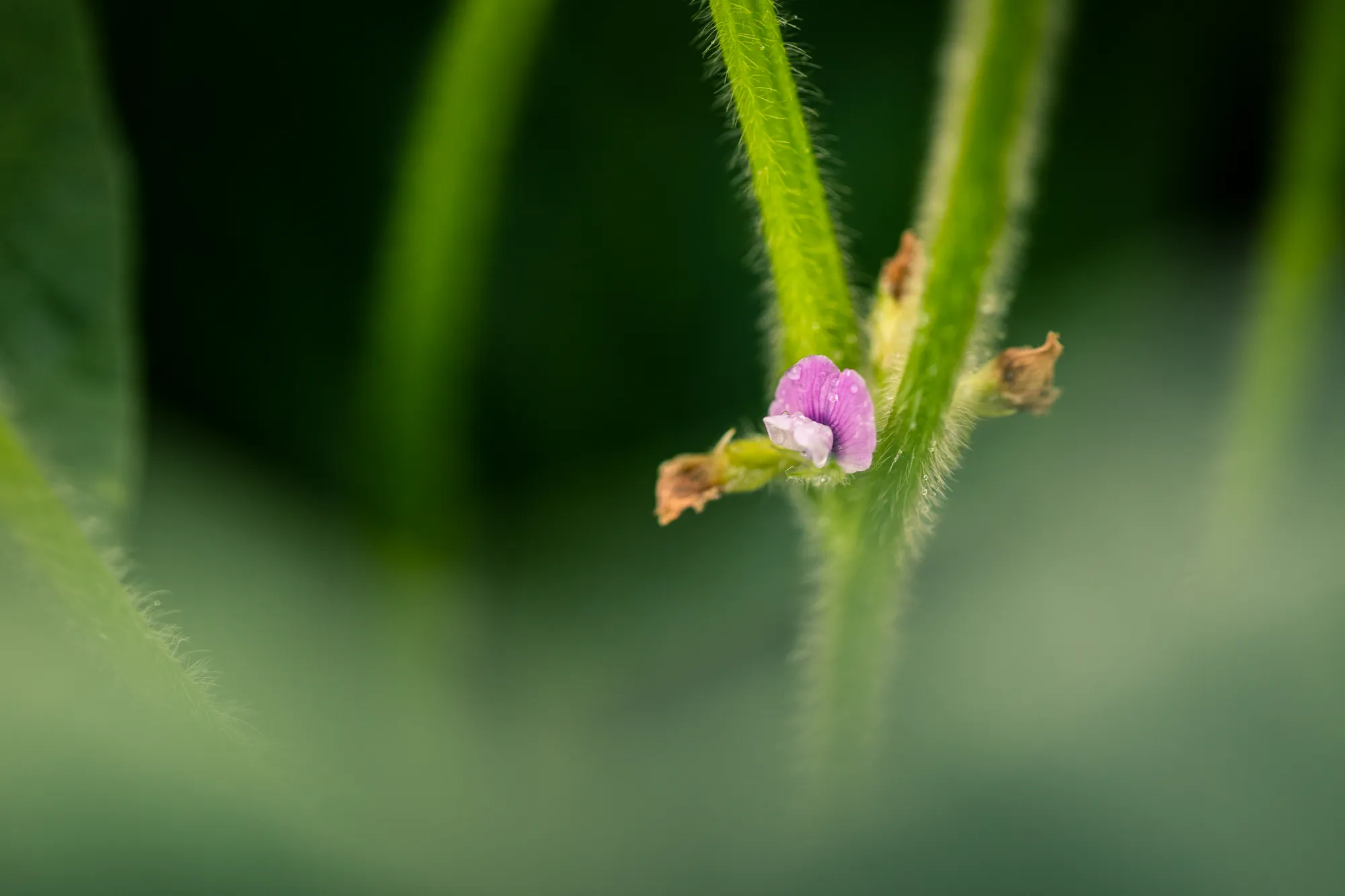
Vegetative Stage
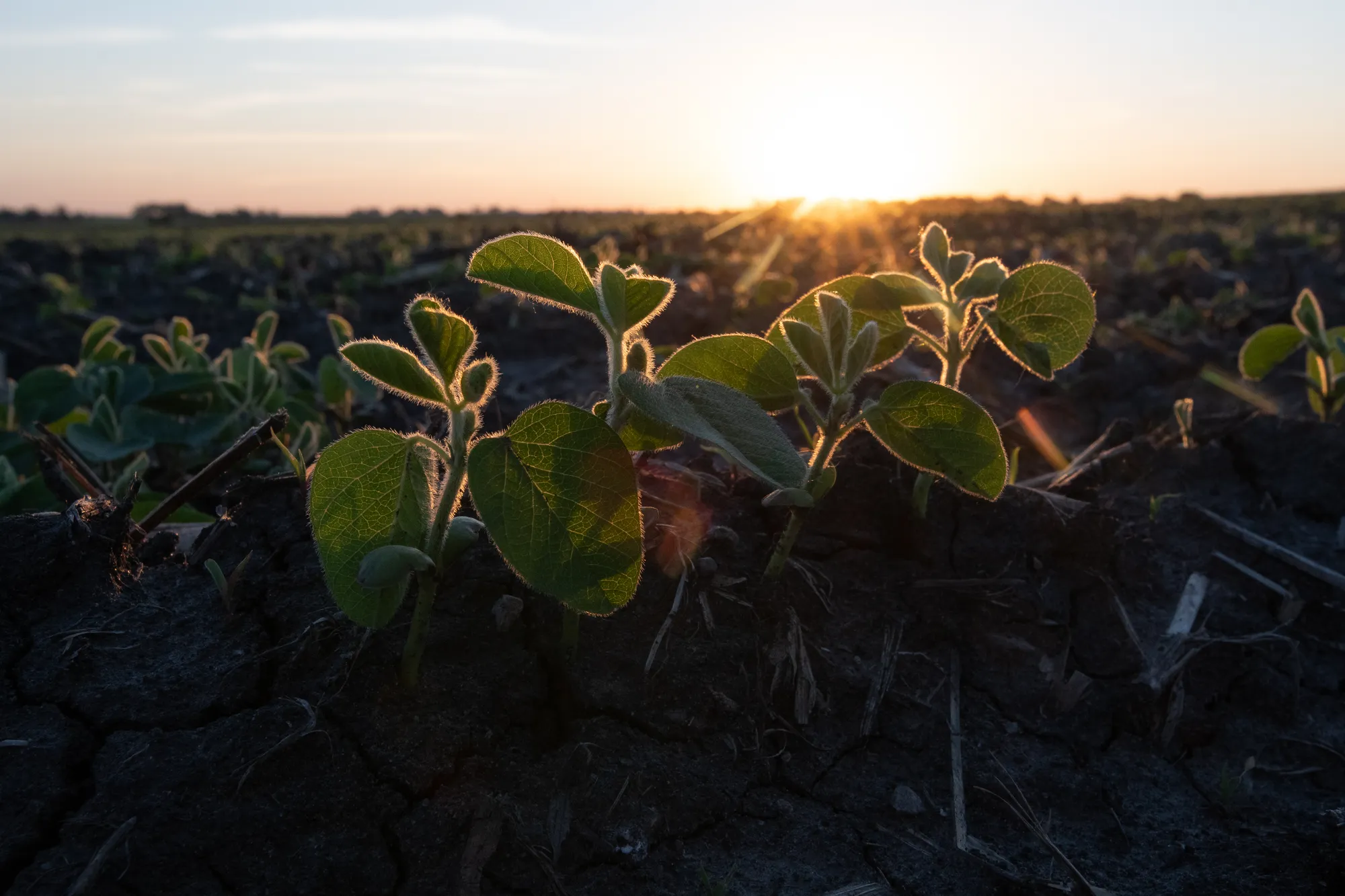
During the vegetative stage, the plant emerges from the soil and starts to flower.
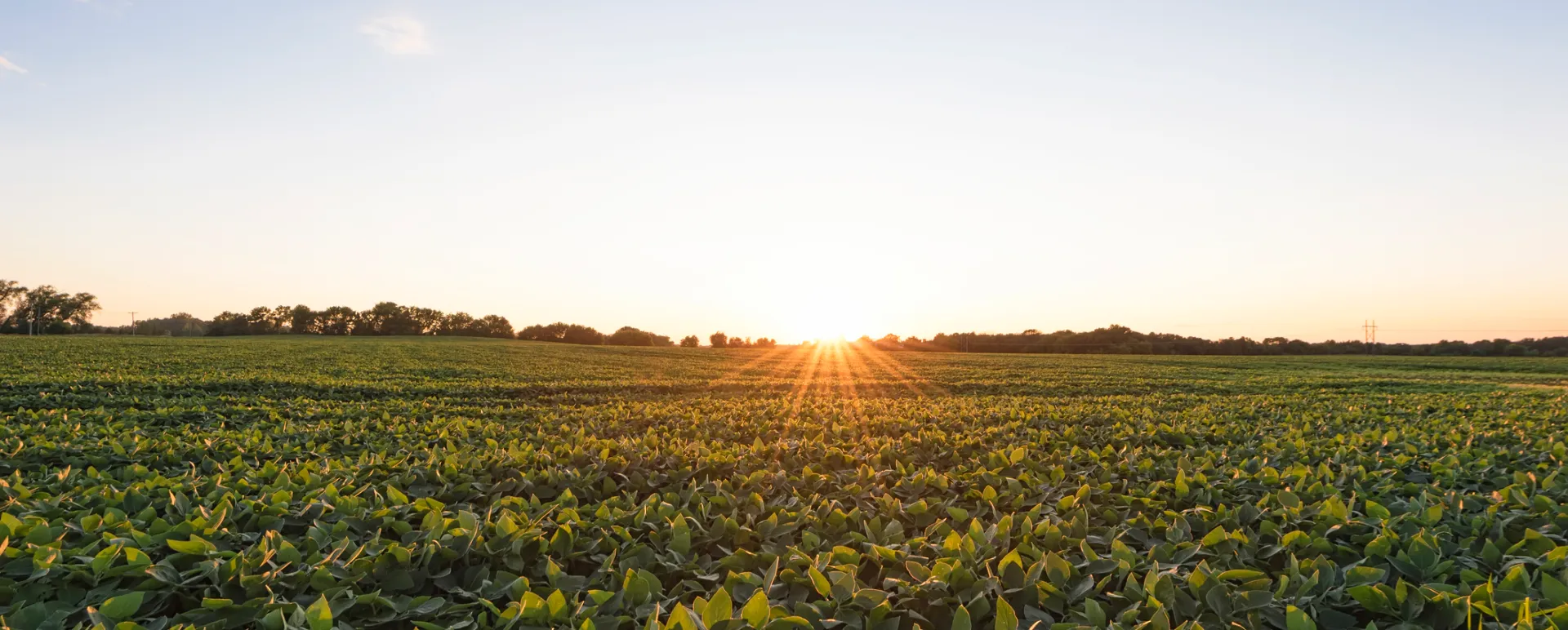
Reproductive Stage
In the reproductive stage, the soybean moves from its flowering stage to its fully mature stage.
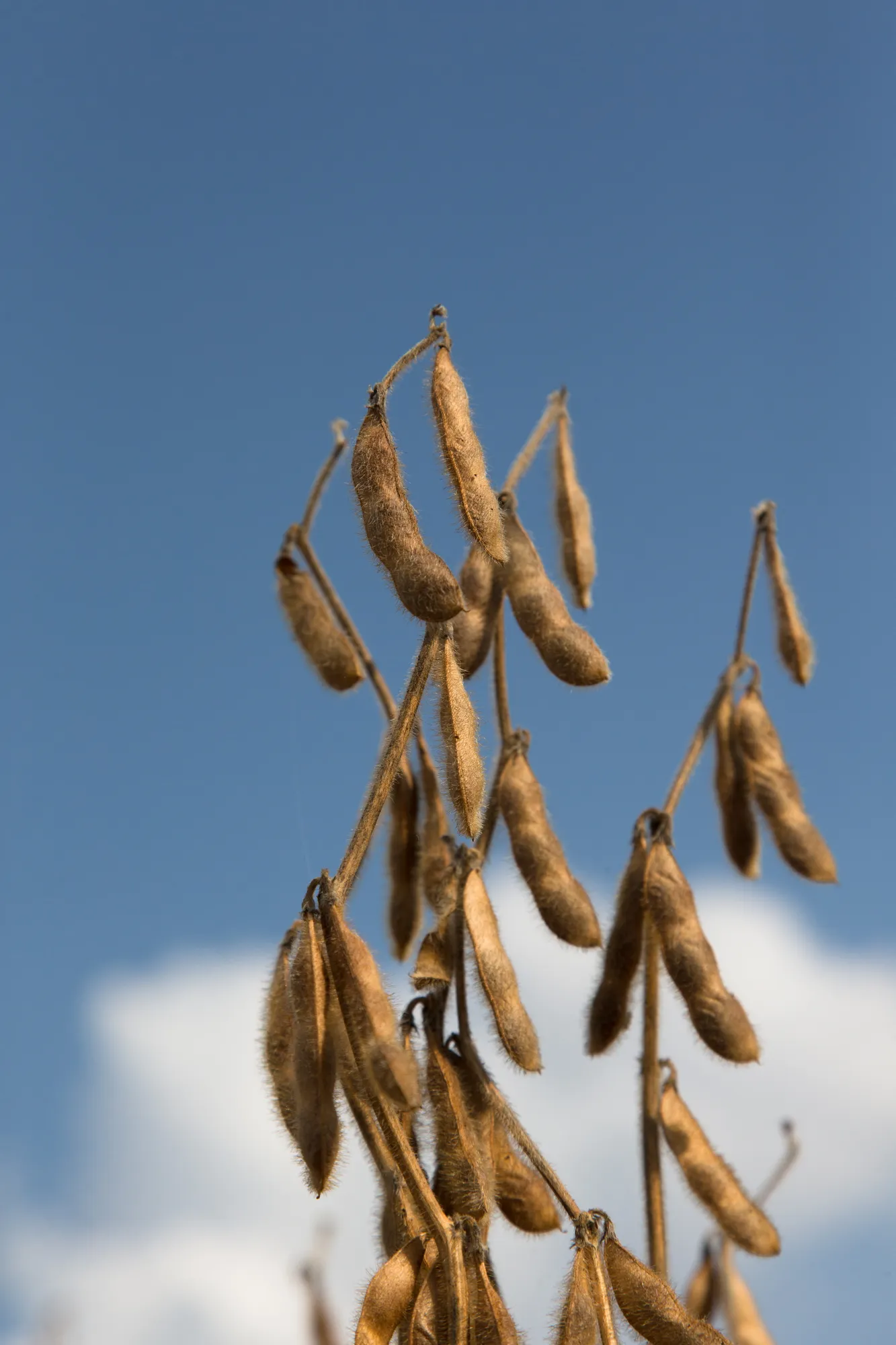
Harvest
As soybeans mature, their leaves start to turn yellow. The soybeans are ready to be harvested when their leaves start to brown and fall off.
.webp)
Post-Harvest
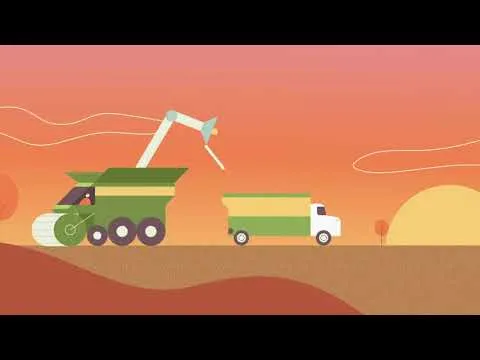
Once harvested, soybeans are then transported from the farm to storage or processing facilities. Commodity beans often go to chicken farms for feed, while high oleic beans are processed into high‑quality, long‑lasting cooking oil. Specialty, high‑protein beans are made into foods like tofu.
U.S. Soybean Production FAQs
Soybeans, as the name implies, are beans! Also known as legumes, soybeans are closely related to foods like peas, alfalfa, and clover.
Soybean crops are usually planted between the late spring and mid-summer months, after soil temperatures rise. They’re harvested in the fall when their remaining leaves fall off and their pods are exposed.
Soybeans have two distinct growth stages: the vegetative stage and the reproductive stage. During the vegetative stage, the plant emerges from the soil and starts to flower. In the reproductive stage, the soybean moves from its flowering stage to its fully mature stage. As soybeans mature, their leaves start to turn yellow. The soybeans are ready to be harvested when their leaves start to brown and fall off.
The soy plant grows in stages, beginning with germination and vegetative growth before entering flowering and pod development. Understanding the biology of soy plants helps researchers and farmers to optimize crop management and improve soybean production.For example, adding fungicide is often recommended at the R3 stage of plant development to prevent specific diseases like white mold. In the R4-R5 stage, any stress to the plant can cause significant damage. These key markers are what keep farmers on top of their crop yield.
Understanding how soybeans are grown and harvested helps explain the full soybean cultivation process used by U.S. soybean farmers. Soybean cultivation begins in the spring, when seeds are planted in prepared fields with carefully managed soil conditions. Throughout the growing season, farmers monitor plant health, moisture levels, and nutrient needs.
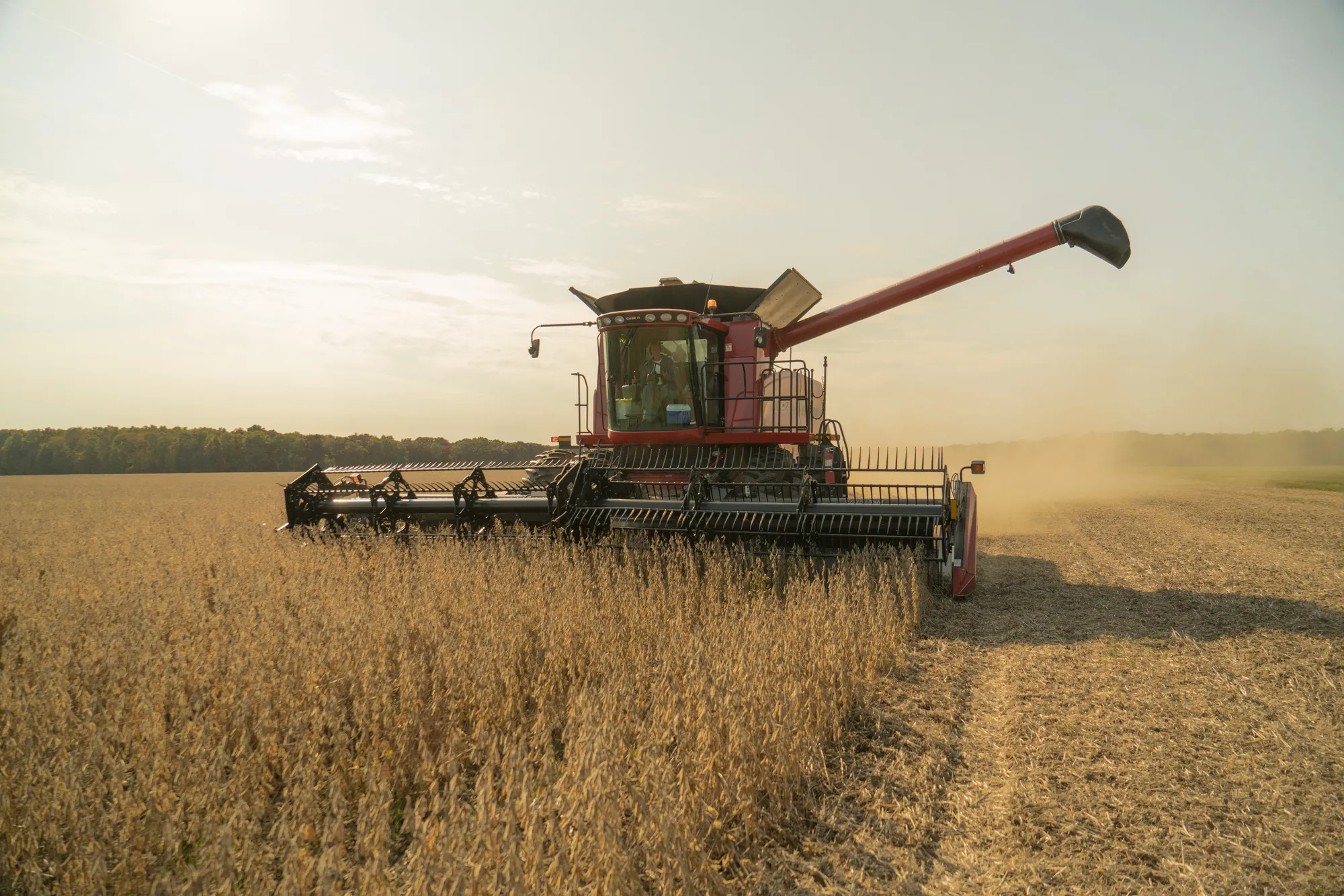
As soybeans mature in the fall, their leaves turn yellow before turning fully brown and dropping. Once this happens, the soybean pods are left exposed and ready to be harvested. Harvesting soybeans involves a combine, or a large machine used to harvest grains. The combine’s header harvests soybeans by cutting and collecting the plants, removing their stems and pods, and moving the harvested soybeans into a tank attached to the combine.
Once harvested, soybeans are then transported from the soy farm to storage or processing facilities. Commodity beans often go to chicken farms for feed, while high oleic beans are processed into high‑quality, long‑lasting cooking oil. Specialty, high‑protein beans are made into foods like tofu.
Soybeans are used in food production, soybean oil, animal feed, biofuels and industrial applications.
Food Products
Soybeans are processed into soy foods like tofu, tempeh, and protein-rich ingredients used in health focused formulations.Animal Feed
Commodity beans often go to chicken farms for feedSoybean Oil
High oleic soybeans are processed into high-quality, long-lasting cooking oil. Soybean oil, often labeled “vegetable oil,” is sold in stores and used by the food industry in packaged products and on menus.Biofuels and Industrial Applications
Soybeans are used in biofuels and industrial products such as rubber, lubricants and adhesives, providing a biobased alternative to petroleum, plastics and PFAS, also known as “forever chemicals.”Exports
About 60% of U.S. soybean products are exported to 90+ countriesThe quality and quantity of U.S.-grown crops ensure that food companies are guaranteed a consistent and nutritious supply. Additionally, sourcing domestic ingredients supports U.S. job growth!