Fermented Soy for Gut Health in Children
Gut health plays a central role in human health and wellness. For children in particular, it supports several key developmental factors like growth, immunity, and long-term well-being – and parents and caregivers are increasingly recognizing the connection between gut health and overall child development. One promising dietary strategy to support gut health is the inclusion of fermented soy foods, which provide beneficial bacteria, enhanced digestibility, and vital nutrients for growth.
In this article, we will explore the benefits of soy on gut health. We’ll also answer common questions about whether fermented soy is healthy for children, and provide clear, age-based guidance for advising parents on how to introduce soy safely.
.jpg?sfvrsn=d579cfad_0 "Fermented Soy for Gut Health in Children")
What is Fermented Soy?
Fermentation is a natural process that happens in foods containing levels of yeast, or other microorganisms, which may cause it to produce bubbles or heat, or turn certain sugars into alcohol. In the case of soy, beneficial bacteria, molds, or yeast break down soybeans into more digestible and bioactive forms, meaning it has more potential benefit to the body. Popular fermented soy products include things like miso, tempeh, natto, and soy yogurts.Compared to non-fermented soy, fermented soy foods:
• Reduce antinutrients (like phytates) and increase mineral bioavailability.
• Deliver probiotics and some are also a source of prebiotic fiber.
• Enhance digestibility by increasing breaking down of proteins.
While the gut health benefits of fermented soy foods are most pronounced when they are consumed raw or minimally heated, as cooking may reduce live probiotic cultures, all of these benefits may make fermented soy particularly well-suited for supporting children’s gut health.

Gut Health Benefits of Fermented Soy for Children
From birth, children’s digestive systems are constantly developing, making nutrition choices especially important for shaping a healthy gut microbiome. Fermented soy foods combine plant-based protein with naturally occurring probiotics and bioactive compounds that work together to aid digestion, nutrient absorption, and immune function. Below are some of the key ways fermented soy can promote gut health in children:Probiotic and Prebiotic Effects
Fermented soy delivers beneficial bacteria that help diversify the gut microbiome. It also contains many prebiotic compounds, which feed healthy microbes, boosting short-chain fatty acid production and supporting digestive balance.
Improved Digestion
The fermentation process makes soy easier to digest, reducing common concerns for children like gas or bloating, and supporting overall digestion in infants and young children.
Nutrient Density
Fermented soy foods contain plant-based protein, calcium, iron, and other bioactive compounds (like isoflavones and vitamin B), which have been associated with modulating immune function and growth, making them an option for their developmental years.
Immune Support
Because much of the immune system resides in the gut, supporting gut health with fermented soy foods may be important for enhancing immune resilience during critical stages of childhood development.
Safe Age-Based Introduction of Fermented Soy
Introducing new foods to children should follow established pediatric feeding guidelines and align with individualized patient needs. Here is a stage-based approach for safely incorporating fermented soy products into a child’s diet:• 6-8 months: Start with soft tofu or soy yogurt blended into purees
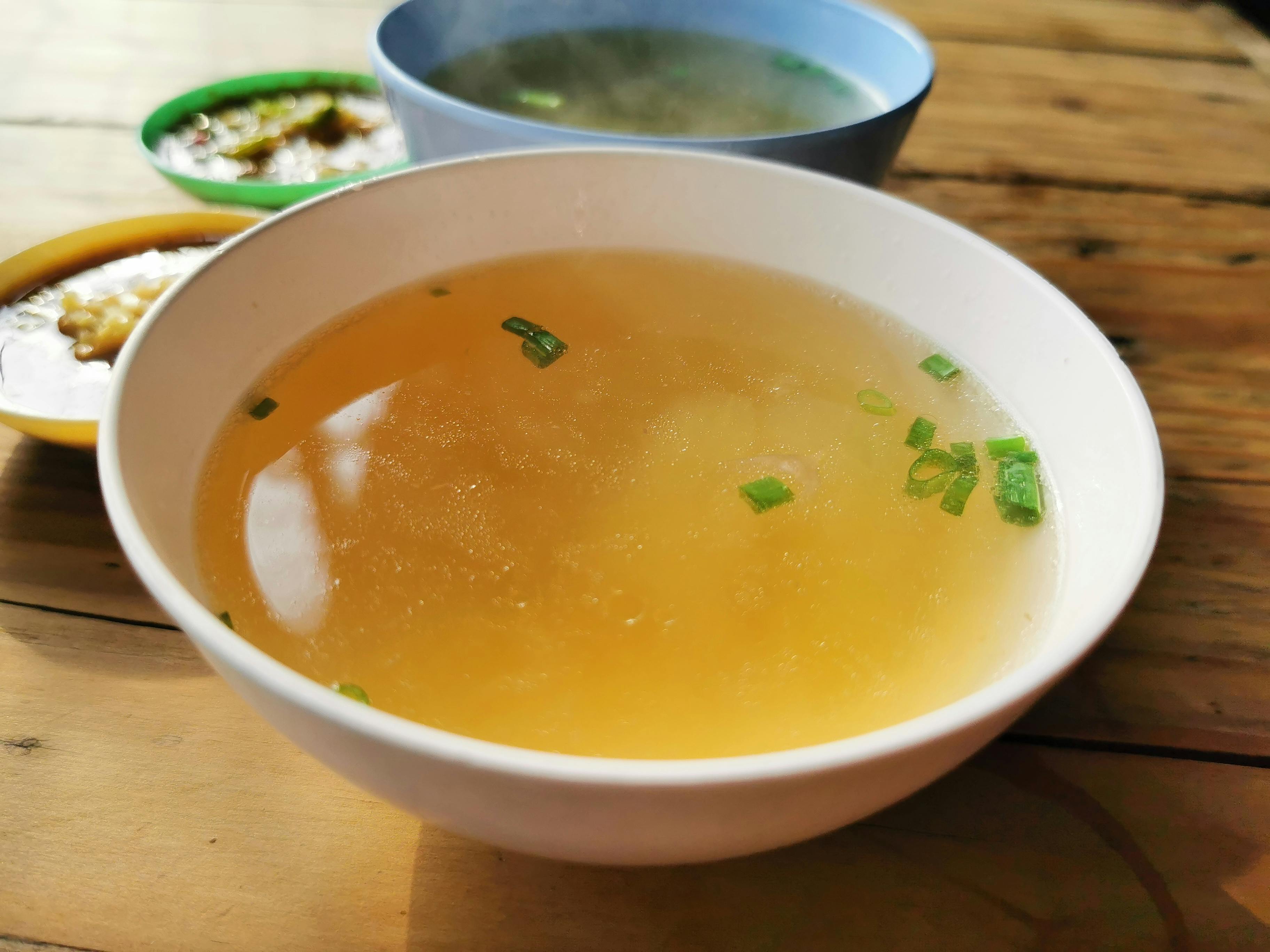
• 8-10 months: Offer mild miso broth (low sodium) mixed into vegetable soups
• 10-12 months: Add finely chopped tempeh or soy yogurt as finger foods
• 12 months and older: Expand variety to include tempeh, miso sauces, and fortified soy milk
It is important to understand that not everyone’s body is tolerant of soy right away. Health professionals should remain informed about the prevalence of soy allergies – though of the Big Nine allergens, soy has one of the lowest prevalence rates. When recommending soy introduction, advise parents and caregivers to introduce one soy product at a time and to monitor the child for any signs of intolerance or allergic reaction.
Is Fermented Soy Healthy for Children?
Yes, when introduced in age-appropriate stages, fermented soy can be a safe, nutrient-dense and microbiome-friendly addition to a child’s diet. It offers a unique combination of protein, probiotics, and minerals that may help build a healthy gut and a strong immune system for long-term health.For older children, refer patients or caregivers to recipe resources that feature age-appropriate and delicious ways of incorporating soy into meals and snacks.
The Bottom Line: Fermented Soy and Child Nutrition
Fermented soy foods provide more than just plant protein: they deliver a multitude of health benefits that may aid in the overall wellness of children, such as microbial diversity, digestive ease, and immune benefits that support gut health. With careful introduction and guidance, parents can confidently incorporate fermented soy into children’s diets as part of a balanced nutrition plan.Check out other health benefits of soy foods for child nutrition.
*The information provided here is for informational purposes only and is not intended as a substitute for professional medical advice. Please encourage your patients to consult with their pediatrician or a qualified healthcare provider to determine the best approach for their child.