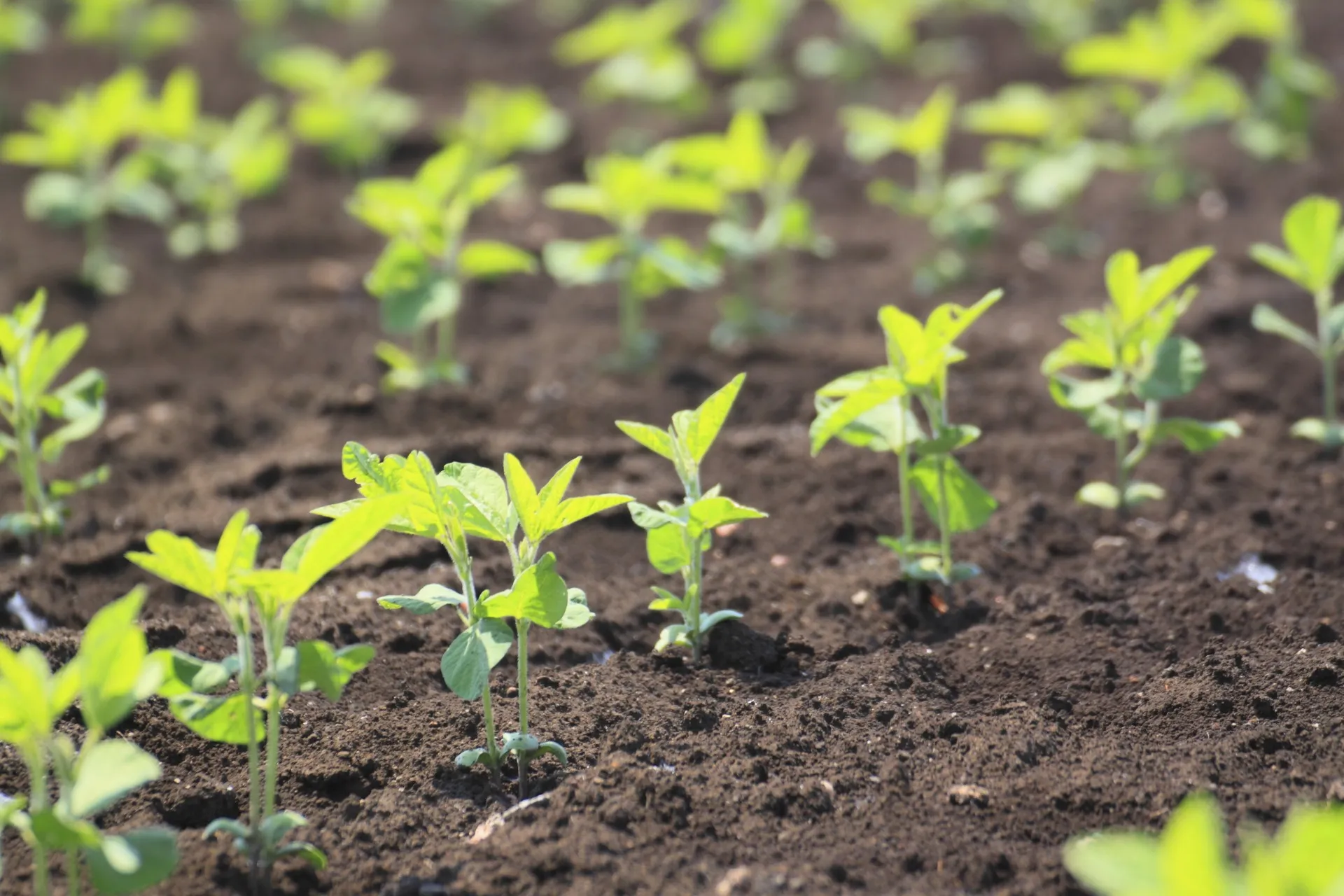
What Are GMO Crops?
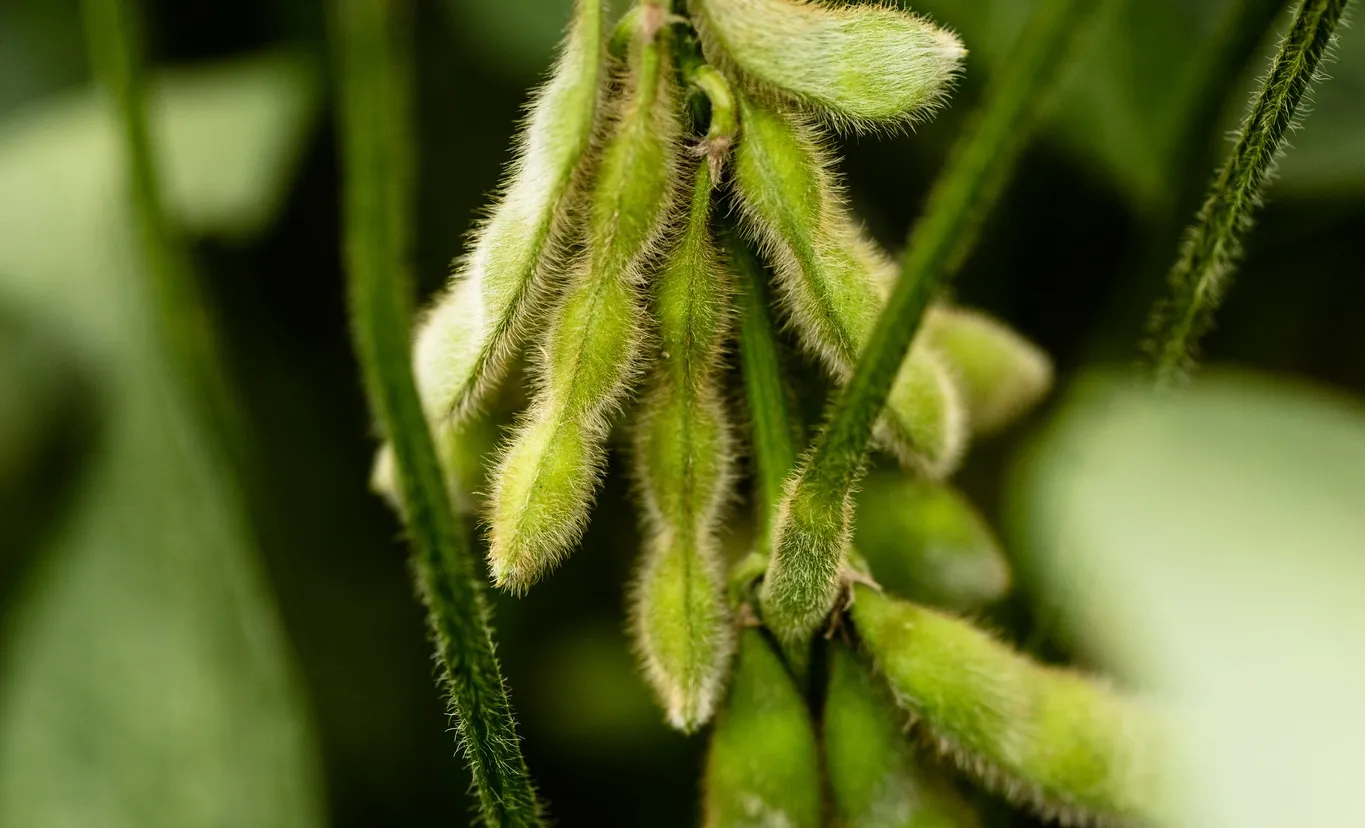
Why Do We Use GMO Crops?
GMO crops are developed to address key agricultural challenges and improve food production efficiency. By modifying the genetic makeup of crops, scientists can introduce specific traits in a much shorter time than they could in conventional breeding methods, making bioengineering much more effective in terms of advancement.
Common benefits of using GMO crops include things like:
- Increased crop yields to support the global food demand
- Reduced need for chemical pesticide applications
- Improved resistance to pests, diseases, and environmental stressors
- Enhanced sustainability through reduced use of resources
Examples of GMO crops grown in the U.S.:
Alfalfa | Apples | Canola | Corn | Cotton |
Papaya | Potatoes | Soybeans | Summer Squash | Sugar Beets |
Most crops are used in animal feed, and others are used as ingredients in common manufactured foods like cereal and snacks. GMOs are commonly found throughout today’s food supply.
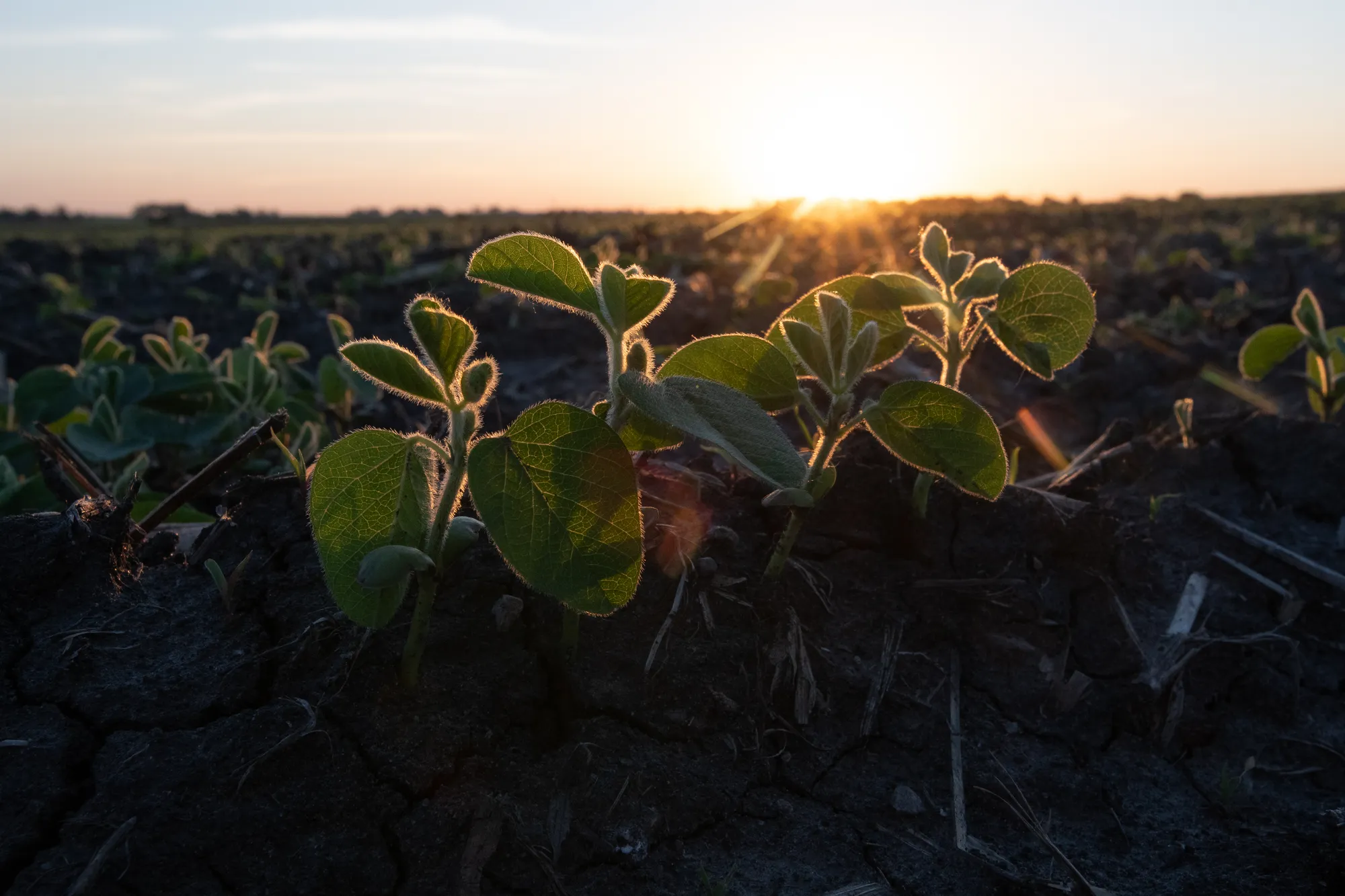

Environmental Impact and Sustainability of GMO Crops
Genetic engineering, also known as biotechnology, plays a key role in advancing sustainable agriculture by enabling farmers to optimize their inputs while reducing environmental impact.
This includes:
- Decrease pesticide use, allowing for use of more environmentally friendly herbicides.
- Preserve and improve soil quality using conservation tillage and no-till practices.
- Reduce nutrient runoff, increasing crops' fertilizer efficiency and conserving topsoil.
- Minimize farms' agricultural footprint.
Higher Yields, Lower Impact
Currently, more than 90% of U.S. corn, upland cotton, and soybeans are produced using genetically engineered varieties. On average, adoption of GMO crops has reduced chemical pesticide use by 37% and increased crop yields by 22%. Higher-yielding crops developed through biotechnology can also help meet the United Nations estimated need for a 50% increase in world food production by 2030.
Between 1980 and 2025, U.S. soybean farmers significantly improved their sustainability metrics:
- Produced 43% less greenhouse gas emissions (per bushel)
- Improved land use efficiency by 47% (per bushel)
- Increased the amount of soy being produced by 130% (per bushel)
Frequently Asked Questions
GMO crops are genetically modified plants using biotechnology to enhance specific traits such as yield, pest resistance, and environmental tolerance.
Yes, regulatory agencies such as the FDA, USDA, EPA, and WHO have concluded that approved GMO foods are safe for both human consumption and environmental impact.
The majority of soybeans grown in the U.S. are genetically modified to improve crop production, pest resistance, and farming efficiency.
Common GMO crops include soybeans, corn, cotton, canola, and certain fruits and vegetables like papaya and potatoes.