Soybean Farming & Production in the U.S.
U.S. soybean farmers play a critical role in producing safe, high-quality, and sustainable ingredients that support global food systems. They work hard to keep shelves stocked and feed families around the world, with the goal of producing 60% more food by 2050 to feed our growing population, which is expected to increase by two billion people over the next 30 years.
What Are Soybeans and How Are They Grown?
Soybeans are one of the most versatile and resilient plants in U.S agriculture. They’re used in recipes and household goods alike. These nutrient-rich legumes are cultivated in millions of acres of soybean fields, supporting both domestic food production and global supply chains.
Using advanced agricultural practices, U.S. soy farmers grow high-quality soybean crops in an environmentally friendly way, protecting soil health and other natural resources. Soybean farming involves growing genetically modified and non-genetically modified beans using both conventional and organic farming practices. This range of approaches allows farmers to meet diverse preferences and market demands while also maintaining quality and consistency.
The soybeans are then used in food manufacturing, clinical nutrition, and animal agriculture across the world.
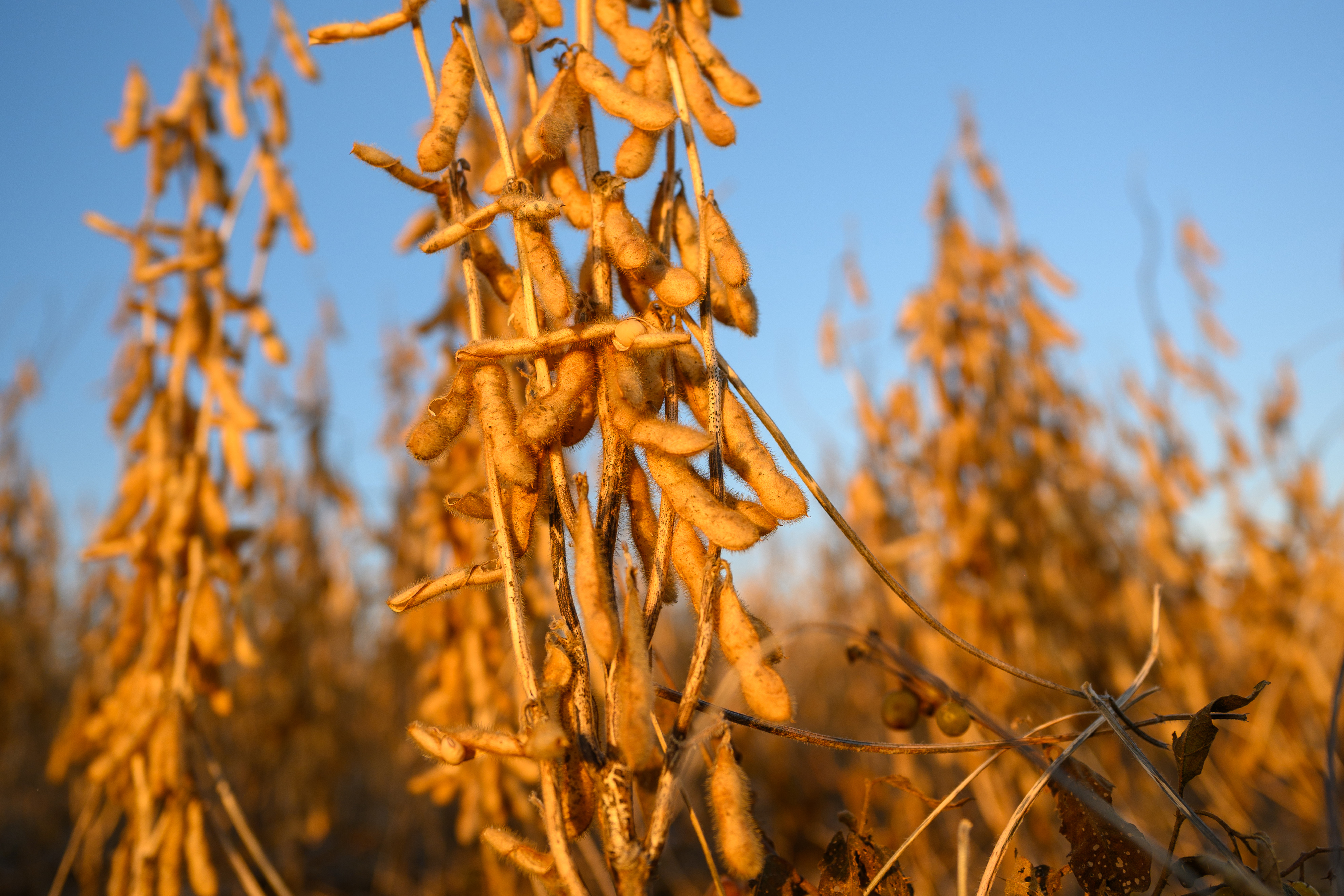
The Soy Plant: Growth and Structure
The soy plant grows in stages, beginning with germination and vegetative growth before entering flowering and pod development. Understanding the biology of soy plants helps researchers and farmers to optimize crop management and improve soybean production.
For example, adding fungicide is often recommended at the R3 stage of plant development to prevent specific diseases like white mold. In the R4-R5 stage, any stress to the plant can cause significant damage. These key markers are what keep farmers on top of their crop yield.
Innovation in Modern U.S. Soybean Farming
U.S. farmers are highly innovative and use technology to create more sustainable and functional soybean crops. They’re constantly planting new types of soy to yield nutritional and more functional harvests while embracing sustainable production practices that protect the land for the future. Sustainable soybean production is always a top priority.
Today, soybean farming combines traditional agricultural knowledge with modern technology to:
- Improve crop yields
- Protect soil health
- Ensure long-term sustainability
Many soybean farmers also use crop rotation practices to support soil health, biodiversity, and long-term agricultural sustainability.
Farmers pursue innovation in soybean production by using regenerative agriculture and biotechnology farming—farming with scientific tools and discoveries. To support these aims, the United Soybean Board works with farmers to establish best practices that allow soy farmers to be more efficient with their inputs and work toward producing a better soybean.
How Technology Supports Sustainable Soybean Crops
Different types of agriculture technology (AgTech), particularly biotechnology, are bringing farming into the modern age. Bioengineering has multiple benefits for soybean farmers, including reducing herbicide usage, preventing weeds and insects, increasing harvest size and profit, and helping the environment.
Farmers are also turning to sustainable techniques like precision farming to grow their soy crops. Precision farming increases efficiency by helping farmers identify exactly what their soybean crops need and when they need them. Technologies like GPS and satellite mapping also help farmers use their land more effectively. These innovative practices help yield a nutritional product, protect against harsh weather, and address hunger around the world.
How Are Soybeans Harvested?
Understanding how soybeans are grown and harvested helps explain the full soybean cultivation process used by U.S. soybean farmers. Soybean cultivation begins in the spring, when seeds are planted in prepared fields with carefully managed soil conditions. Throughout the growing season, farmers monitor plant health, moisture levels, and nutrient needs.
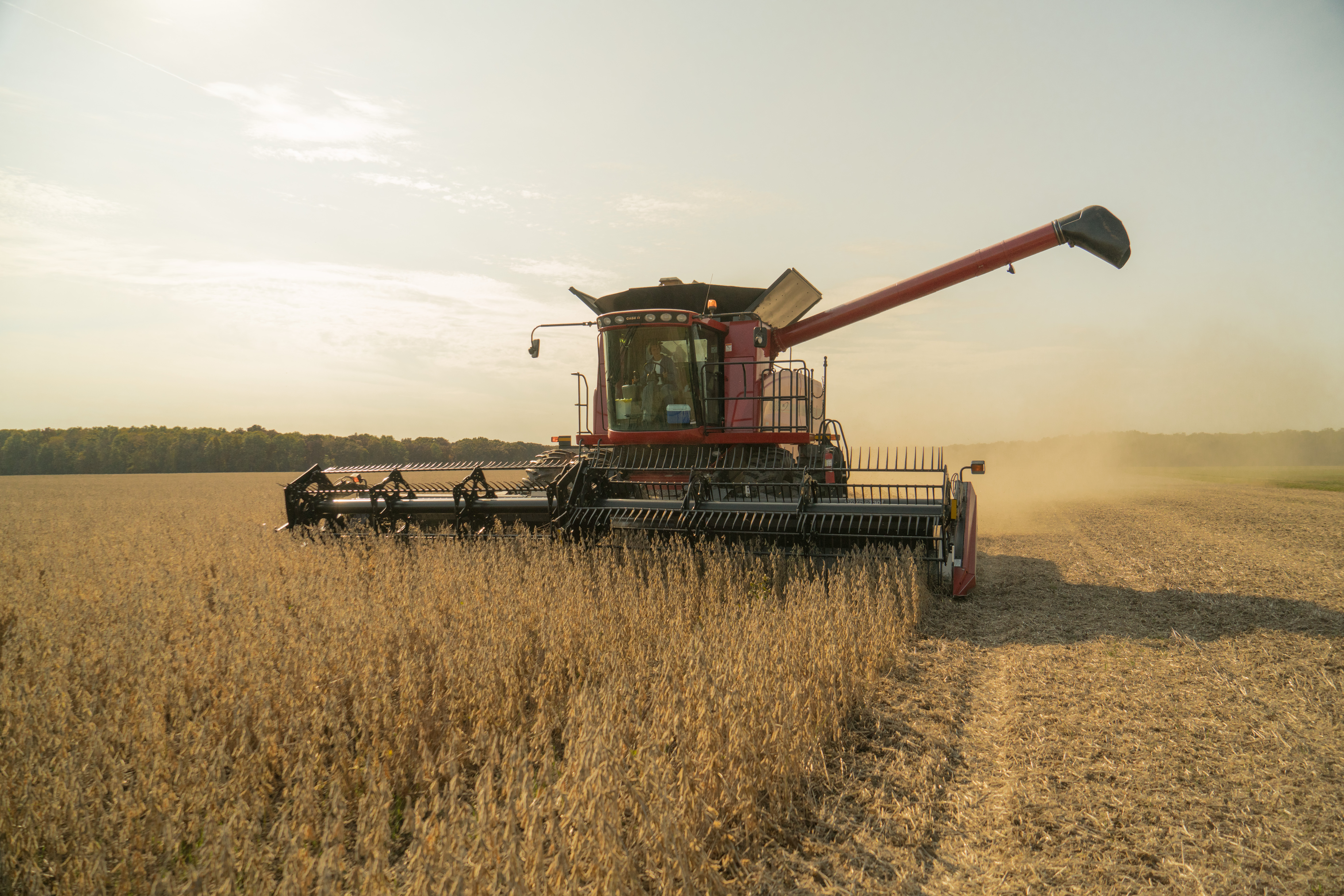
As soybeans mature in the fall, their leaves turn yellow before turning fully brown and dropping. Once this happens, the soybean pods are left exposed and ready to be harvested. Harvesting soybeans involves a combine, or a large machine used to harvest grains. The combine’s header harvests soybeans by cutting and collecting the plants, removing their stems and pods, and moving the harvested soybeans into a tank attached to the combine.
Once harvested, soybeans are then transported from the soy farm to storage or processing facilities.
The Most Popular Soybean Crops in the U.S.
The yellow soybean is the most common soybean crop in the U.S. Most processed soybean products, including miso and tofu, are made from yellow soybeans. Other types of soybean crops include green, black, white, and red soybeans.
What are Soybeans Used For?
Once harvested, soybeans have a wide range of uses including:
- Food products
- Animal feed
- Soybean oil or "vegetable oil" (sold in stores, or used by the food industry in products and on menus)
- Biofuels and industrial applications such as rubber, lubricants, and adhesives as a biobased alternative replacing petroleum, plastic and PFAS known as forever chemicals.
- In addition, about 60% of U.S. soybean products are exported to 90+ countries
High Protein Soybeans
High-protein soybeans are cultivated for use in soy foods and plant-based formulations. These beans are processed into products like tofu and other protein-rich ingredients that contribute to dietary protein sources. Their functional properties make them valuable in clinical and commercial nutrition settings.
High Oleic Soybeans
An increasing number of soy farms are now growing high oleic soybeans, which are developed to produce oil. These soybeans are developed with improved oxidative stability and performance. High oleic soybean oil can sustain high-temperature cooking and has an extended shelf life compared to other oils.
No matter the soybean use, growing soybeans is more than a job for U.S. soybean farmers—it’s their life, legacy, and passion. You can sense their dedication every time you bite into a delicious soy dish.
What are the growth stages of soybeans?
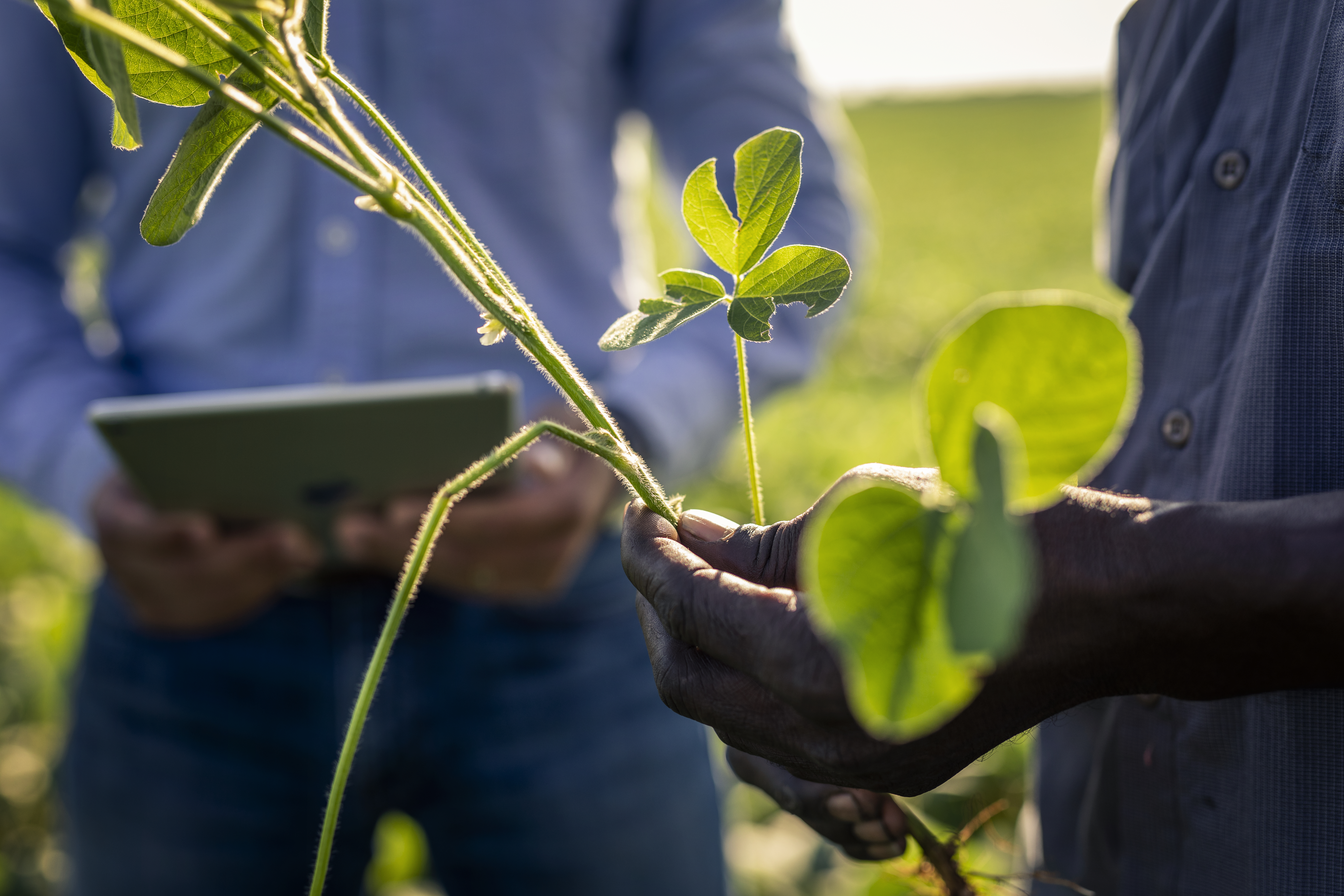
Soybeans have two distinct growth stages: the vegetative stage and the reproductive stage. During the vegetative stage, the plant emerges from the soil and starts to flower. In the reproductive stage, the soybean moves from its flowering stage to its fully mature stage. As soybeans mature, their leaves start to turn yellow. The soybeans are ready to be harvested when their leaves start to brown and fall off.
How long do soybeans take to grow?
Soybean crops are usually planted between the late spring and mid-summer months, after soil temperatures rise. They’re harvested in the fall when their remaining leaves fall off and their pods are exposed.
What type of crop are soybeans?
Soybeans, as the name implies, are beans! Also known as legumes, soybeans are closely related to foods like peas, alfalfa, and clover.
What do farmers do with soybeans after they are harvested?
Soybeans can be used in many different ways. Commodity beans often go to chicken farms for feed, while high oleic beans are processed into high‑quality, long‑lasting cooking oil. Specialty, high‑protein beans are made into foods like tofu.
How does sourcing U.S. grown ingredients benefit food companies?
The quality and quantity of U.S.-grown crops ensure that food companies are guaranteed a consistent and nutritious supply. Additionally, sourcing domestic ingredients supports U.S. job growth!
What are soybeans used for?
Soybeans are used in food production, soybean oil, animal feed, biofuels and industrial applications. They are also processed into soy foods like tofu, tempeh, and protein-rich ingredients used in health focused formulations.